
Geocaching-Grenzwerte bei Caches: Der Praxisratgeber
Wer seinen ersten eigenen Cache legen möchte, muss ein paar klare Regeln kennen. Die wichtigsten Geocaching-Grenzwerte bei Caches auf einen Blick:
- Mindestabstand: 161 Meter zu jedem anderen physischen Cache oder jeder physischen Stage
- Größenkategorien: Nano/Micro, Small, Regular und Large, jeweils mit eigenen Volumenerwartungen
- Erdvergrabungen: grundsätzlich verboten, kein Loch graben, kein teilweises Eingraben
- Naturschutzgebiete: Caches nur direkt an offiziellen Wegen, möglichst nah am Weg platziert
- Verfügbarkeit: mindestens 3 Monate findbar, sonst keine Veröffentlichung
- Genehmigungen: auf privaten Grundstücken und in sensiblen Gebieten immer vorab einholen
- Verantwortung: Der Owner haftet für die Rechtmäßigkeit der Platzierung, nicht der Reviewer
Diese Grenzwerte gelten für alle Caches auf Geocaching.com, unabhängig von Cachetyp oder Region. Regionale Naturschutzgesetze können zusätzlich strengere Vorgaben machen.
Inhaltsverzeichnis
- Welche Geocache-Größen gibt es und welcher Behälter passt?
- Wie weit müssen Caches voneinander entfernt sein?
- Was du beim Verstecken und Veröffentlichen deines Caches beachten musst
- Welche Naturschutzregeln gelten in Deutschland für Geocaches?
- Darf ein Cache vergraben werden?
- Gibt es Höhenbegrenzungen für Caches in Baumkronen oder an Felsen?
- Wie genau müssen die Koordinaten deines Caches sein?
- Cachewerk: Dein Partner für regelkonforme und kreative Verstecke
- Wichtige Erkenntnisse
Welche Geocache-Größen gibt es und welcher Behälter passt?
Die Größenkategorie eines Caches ist mehr als ein Label im Listing. Sie beeinflusst, wo du den Cache verstecken kannst, wie gut er sich tarnen lässt und ob ein Logbuch hineinpasst.
Micro und Nano: Alles unter etwa 100 ml Volumen fällt in diese Kategorie. Klassische Vertreter sind Filmdosen, magnetische Schlüsselboxen oder winzige Schraubenbolzen-Attrappen. Der Rusty Bolt Cache von Cachewerk ist ein gutes Beispiel: ein täuschend echter, rostiger Schraubenbolzen mit eingebautem Nano-Behälter. Perfekt für urbane Verstecke, wo ein größerer Behälter sofort auffallen würde.
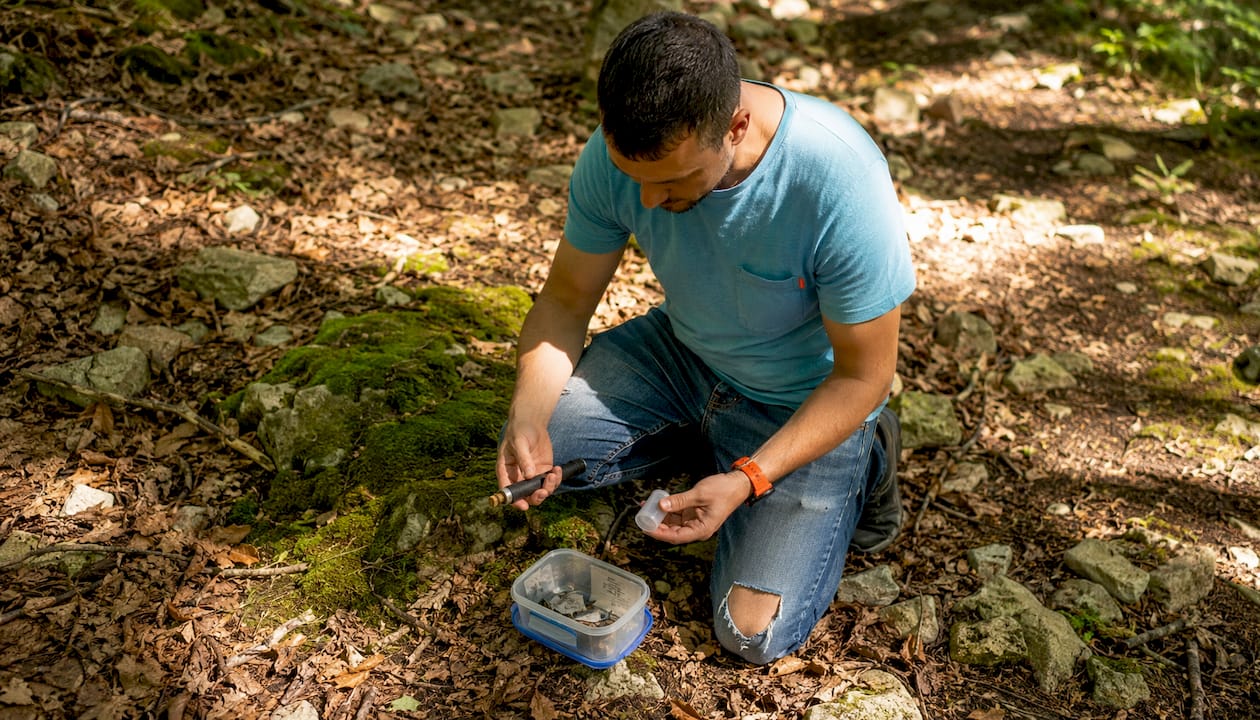
Small: Etwa 100 ml bis 1 Liter. Hier passen neben dem Logbuch auch kleine Tauschgegenstände rein. Gut geeignet für Waldverstecke oder Mauerritze, wo etwas mehr Platz vorhanden ist.
Regular: 1 bis 20 Liter. Die klassische Tupperware-Dose oder eine Militärammo-Box. Bietet Platz für ein richtiges Logbuch und Tauschgegenstände, braucht aber auch ein geeignetes Versteck.
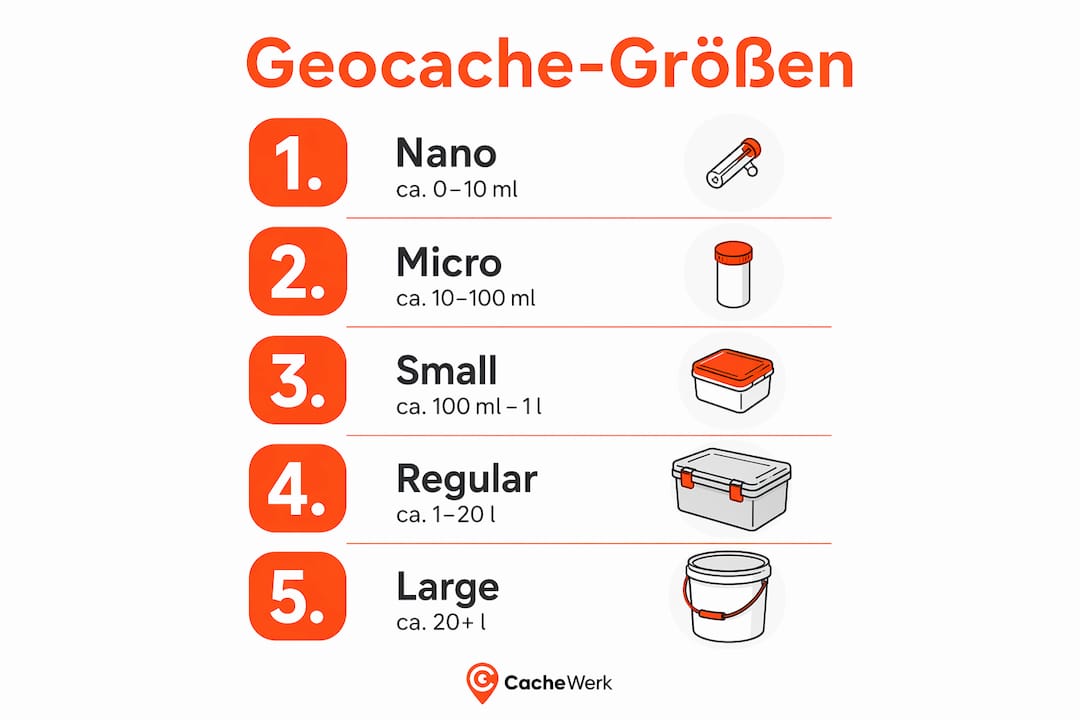
Large: Alles über 20 Liter. Selten, aber möglich, zum Beispiel als thematischer Behälter oder Event-Cache.
Für die Wahl des richtigen Behälters gilt: Witterungsbeständigkeit geht vor Größe. Ein undichter Behälter macht das Logbuch unlesbar und führt schnell zur Archivierung. Der Hanging Nano in Army Green von Cachewerk ist wasserdicht, hat eine praktische Aufhängeöse und lässt sich unauffällig an Ästen oder Zäunen befestigen. Wer etwas mehr Platz braucht, greift zur Filmdose 32×48 mm: schwarz, robust, wasserdicht und ein Klassiker unter den Micro-Behältern.
- Nano/Micro: ideal für urbane Umgebungen, wenig Platz, hohe Tarnung
- Small: vielseitig, für Wald und Stadt gleichermaßen geeignet
- Regular: braucht ein gutes Versteck, bietet dafür echten Spielwert durch Tauschgegenstände
- Large: nur sinnvoll, wenn der Standort es wirklich hergibt
Profi-Tipp: Wähle den Behälter immer nach dem Versteckort, nicht umgekehrt. Erst den Platz finden, dann den passenden Behälter auswählen. Ein Nano in einer Felsspalte macht mehr Sinn als eine Regular-Dose, die du dort kaum unterbringst.
Wie weit müssen Caches voneinander entfernt sein?
Der Mindestabstand von angemessenem Abstand ist eine der zentralen Cache-Platzierungsrichtlinien und gilt ohne Ausnahme für alle physischen Komponenten eines Caches. Das bedeutet konkret:
- Traditionelle Caches müssen 161 m von jedem anderen Traditional, Final oder physischer Stage entfernt sein
- Physische Stages eines Multi-Caches fallen ebenfalls unter diese Regel, auch wenn sie nicht öffentlich sichtbar sind
- Nicht-physische Stages, also reine Koordinatenpunkte ohne Dose, sind von der Abstandsregel ausgenommen
- EarthCaches haben keine physischen Behälter und unterliegen daher anderen Regeln
Wichtig: Die Planungskarte auf Geocaching.com zeigt zwar einen roten Kreis mit 161 m Radius um bekannte Caches, aber versteckte Stages anderer Caches werden dort nicht angezeigt. Du musst also selbst vor Ort recherchieren und Caches in der Umgebung finden, um sicherzugehen, dass keine versteckte Stage deinen geplanten Standort blockiert.
Praktische Vorgehensweise:
- Planungskarte nutzen als ersten Überblick
- Alle Caches in der Nähe selbst suchen und finden, um versteckte Stages zu kennen
- Koordinaten mit Google Maps oder einem GPS-Gerät auf Abstand prüfen
- Im Zweifel den Standort verschieben, bevor du das Listing einreichst
Der Reviewer prüft zwar die Einhaltung der Richtlinien, kennt aber nicht alle versteckten Stages anderer Caches. Die Verantwortung liegt beim Owner.
Was du beim Verstecken und Veröffentlichen deines Caches beachten musst
Bevor du dein erstes Listing erstellst, lohnt sich etwas Erfahrung als Sucher. Geocaching HQ empfiehlt, eine gewisse Anzahl an Caches gefunden zu haben, bevor man den ersten eigenen versteckt. Das ist kein willkürlicher Richtwert: Wer verschiedene Verstecktypen, Schwierigkeitsstufen und Geländebedingungen selbst erlebt hat, legt deutlich bessere Caches.
Standortwahl: Verstecke deinen Cache möglichst in der Nähe deines Wohnorts, damit du bei Problemen schnell reagieren kannst. Ein Cache, der mehrere Hundert Kilometer entfernt liegt, wird vom Reviewer unter Umständen nicht freigegeben, es sei denn, du nennst im Listing eine lokale Person, die die Wartung übernimmt. Gute Auswahlkriterien für Cache-Standorte sind Zugänglichkeit, Umweltverträglichkeit und ein echter Mehrwert für den Sucher.
Listing und Koordinaten: Genaue Koordinaten sind entscheidend. Nutze die Mittelungsfunktion deines GPS-Geräts und lass die Position mindestens 10 bis 15 Minuten berechnen. Je länger, desto genauer. Erst dann das Listing erstellen.
Folgende Punkte müssen beim Einreichen erfüllt sein:
- Cache ist nicht vergraben und kein Loch wurde gegraben
- Mindestabstand zu allen physischen Caches eingehalten
- Cache liegt nicht in einem Naturschutzgebiet, oder wenn doch, direkt am offiziellen Weg
- Logbuch ist vorhanden und der Cache ist zum Zeitpunkt der Einreichung bereits versteckt
- Cache ist mindestens 3 Monate findbar geplant
Konsequenzen bei Verstößen: Caches, die gegen die Geocaching-Sicherheitsrichtlinien oder lokale Gesetze verstoßen, werden archiviert. Wiederholte Verstöße können zur Sperrung des Accounts führen. Der Reviewer gibt dabei keine Rechtsberatung, er prüft nur die Guideline-Konformität.
Welche Naturschutzregeln gelten in Deutschland für Geocaches?
Deutschland hat ein dichtes Netz an Schutzgebieten, und die Regeln dort sind ernst zu nehmen. In Naturschutzgebieten und Nationalparks gilt grundsätzlich das Wegegebot: Wer das Gebiet betritt, muss auf den offiziellen Wegen bleiben. Für Geocaches bedeutet das: Caches müssen vom Weg aus erreichbar sein, idealerweise maximal eine Armlänge entfernt.
In Nationalparks sind Caches nur direkt an offiziellen Wegen erlaubt. Ein merklicher Abstand zum Weg ist nicht zulässig. Das klingt streng, hat aber einen guten Grund: Wenn viele Sucher durch Unterholz streifen, entstehen Trampelpfade und Vegetationsschäden.
Regional gibt es noch strengere Vorgaben. In bestimmten Waldgebieten in Rheinland-Pfalz gilt ein Mindestabstand von 500 Metern zwischen Caches, um ökologische Belastungen zu reduzieren. Andere Bundesländer können ähnliche Regelungen haben.
Für private Grundstücke und Wälder gilt: In Staatswäldern gilt die Zustimmung des Waldbesitzers als erteilt, wenn naturverträgliches Verhalten eingehalten wird. Auf privaten Flächen brauchst du immer eine explizite Genehmigung des Eigentümers.
Wichtig: Caches in sensiblen Gebieten, die Umweltschäden verursachen oder ohne Genehmigung platziert wurden, werden archiviert. Naturschutzorganisationen arbeiten aktiv mit der Geocaching-Community zusammen, um verantwortungsbewusstes Cachen zu fördern. Qualität vor Quantität schützt nicht nur die Natur, sondern auch deinen Cache vor der Archivierung.
Darf ein Cache vergraben werden?
Nein. Das Vergraben von Caches ist laut den offiziellen Geocaching.com-Richtlinien ausdrücklich verboten. Das gilt sowohl für vollständig vergrabene als auch für teilweise eingegrabene Behälter. Und es dürfen auch keine Löcher gegraben werden, um einen Cache zu platzieren.
Der Grund ist praktisch und ökologisch zugleich. Vergrabene Caches sind schwer zu finden, führen zu großflächigem Wühlen im Boden und beschädigen Wurzeln, Insektenhabitate und Bodenstruktur. Außerdem können sie von Unbeteiligten als verdächtige Gegenstände gemeldet werden.
Was stattdessen funktioniert: unter Steinen, in Baumhöhlen, hinter losen Rindenstücken oder in Felsspalten. Wichtig ist, dass der Cache ohne Werkzeug und ohne Graben erreichbar ist. Ein Cache, der sich nur mit einem Spaten bergen lässt, wird nicht veröffentlicht. Und falls er doch veröffentlicht wurde und später entdeckt wird, folgt die Archivierung.
Gibt es Höhenbegrenzungen für Caches in Baumkronen oder an Felsen?
Eine starre Höhenbegrenzung in Metern gibt es in den offiziellen Geocaching.com-Richtlinien nicht. Aber es gelten klare Sicherheits- und Zugänglichkeitsprinzipien, die in der Praxis als Grenzwert wirken.
Caches müssen für alle Sucher sicher erreichbar sein, ohne dass gefährliche Kletterpartien nötig sind. Ein Cache in 15 Metern Höhe in einer Baumkrone ist für die meisten Sucher schlicht nicht erreichbar und würde beim Reviewer auf Widerstand stoßen. Das Geländerating (T1 bis T5) muss ehrlich angegeben werden: T5 bedeutet Kletterausrüstung erforderlich, und solche Caches sind eine Ausnahme, keine Regel.
Für Baumcaches gilt zusätzlich: Das Klettern auf Bäume kann in Naturschutzgebieten verboten sein. In Wäldern mit Forstbetrieb kann es gegen Sicherheitsvorschriften verstoßen. Und Bäume, die durch häufiges Besteigen Rindenschäden erleiden, sind ein ökologisches Problem. Caches an Felsen sind ähnlich zu bewerten: Der Zugang muss sicher und legal sein, und das Geländerating muss die tatsächliche Schwierigkeit widerspiegeln.
Profi-Tipp: Wenn du einen Höhencache planst, beschreibe im Listing ehrlich, welche Ausrüstung und Fähigkeiten nötig sind. Ein falsch bewertetes Gelände ist einer der häufigsten Gründe, warum Caches nach Beschwerden archiviert werden.
Wie genau müssen die Koordinaten deines Caches sein?
Koordinatengenauigkeit ist kein Nebenpunkt, sie entscheidet darüber, ob Sucher deinen Cache finden oder frustriert aufgeben. Die offiziellen Richtlinien schreiben keine Mindestgenauigkeit in Metern vor, aber die Community-Erwartung ist klar: Koordinaten sollten auf wenige Meter genau sein.
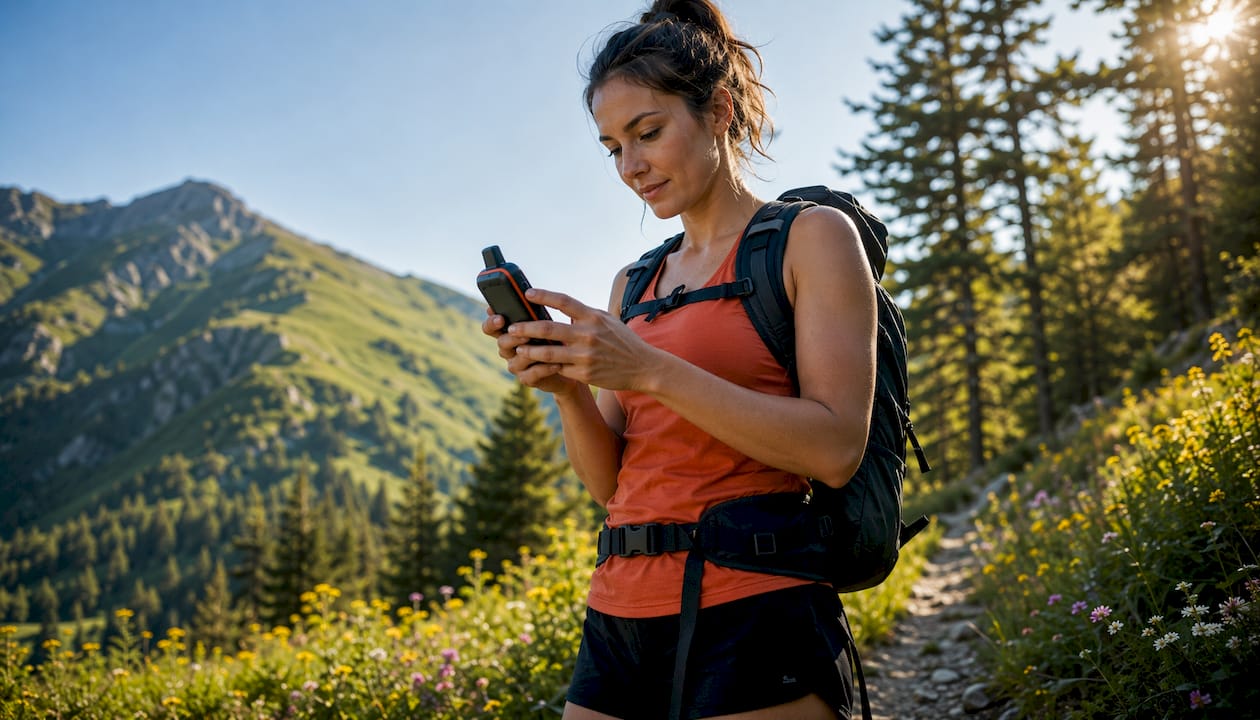
In der Praxis bedeutet das: Nutze die Mittelungsfunktion deines GPS-Geräts oder der Geocaching-App. Lass die Position an deinem Versteckort mindestens 10 bis 15 Minuten berechnen, besser länger. Umwelteinflüsse wie dichtes Laub, Felsen oder Gebäude können die Genauigkeit stark beeinflussen.
Für Mystery-Caches gilt eine zusätzliche Regel: Die angezeigten Referenzkoordinaten, also das Fragezeichen auf der Karte, dürfen nicht mehr als etwa 3,2 km vom tatsächlichen Final entfernt sein. Das ist eine harte Grenze, die der Reviewer prüft.
Ein praktischer Tipp: Messe die Koordinaten an verschiedenen Tagen und zu verschiedenen Tageszeiten und bilde den Mittelwert. So bekommst du die zuverlässigsten Werte. Und vergiss nicht: Schlechte Koordinaten führen zu negativen Logs, und zu viele negative Logs können zur Archivierung führen.
Cachewerk: Dein Partner für regelkonforme und kreative Verstecke
Wer die Regeln kennt, will natürlich auch den passenden Behälter dazu. Genau da setzt Cachewerk an.
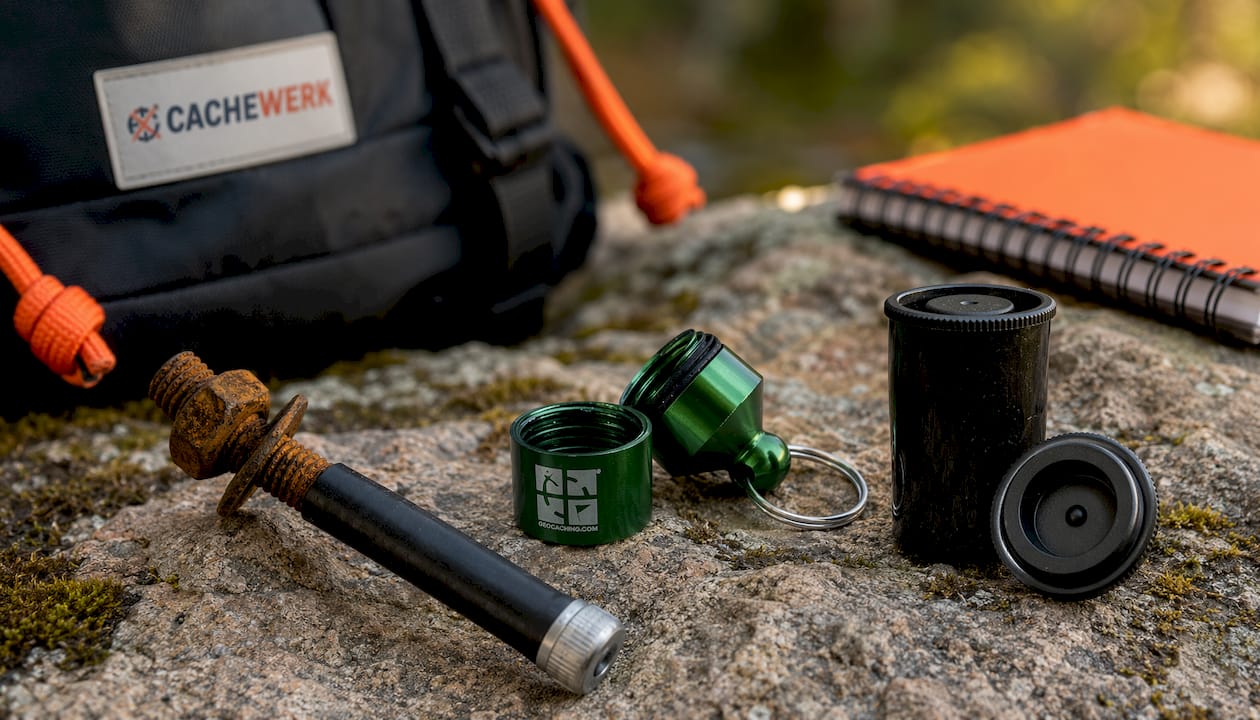
Cachewerk bietet dir eine Auswahl an durchdachten Cache-Behältern, die speziell für die Anforderungen des Geocachings entwickelt wurden: wasserdicht, langlebig, gut zu tarnen und in den richtigen Größen für jede Situation. Ob du einen unauffälligen Nano-Cache für die Stadt suchst, einen täuschend echten Rusty Bolt für urbane Verstecke oder eine klassische Filmdose als Micro-Behälter: Das Sortiment deckt alle gängigen Größenkategorien ab. Dazu gibt es im Cachewerk-Blog praktische Tipps zur sicheren und regelkonformen Versteckauswahl. Schau dir das aktuelle Sortiment auf cachewerk.de an und finde den Behälter, der zu deinem nächsten Versteck passt.
Wichtige Erkenntnisse
Die wichtigste Regel für Cache-Owner: Wer die offiziellen Grenzwerte kennt und einhält, schützt die Natur, vermeidet Archivierungen und sorgt für ein gutes Spielerlebnis.
| Thema | Details |
|---|---|
| Mindestabstand zwischen Caches | 161 Meter zu jedem physischen Cache oder jeder physischen Stage, ohne Ausnahme |
| Erdvergrabungen verboten | Kein Cache darf vergraben oder teilweise eingegraben werden, auch kein Loch graben |
| Naturschutzgebiete | Caches nur direkt am offiziellen Weg, maximal eine Armlänge Abstand |
| Mindest-Verfügbarkeit | Ein Cache muss für eine längere Zeit findbar sein, um veröffentlicht zu werden |
| Cachewerk als Lösung | Wasserdichte, regelkonforme Behälter in allen Größen für urbane und ländliche Verstecke |