
Trackable Examples: Creative Ideas for Geocaching
Choosing the right trackable for your geocaching adventures can be overwhelming. Between coins, tags, and personalized figures, countless options are available, all offering different advantages. Trackables are more than just collectibles; they tell stories and connect geocachers worldwide. This article provides practical examples and selection criteria to help you find the perfect trackable for your needs. We guide you through materials, designs, and situational recommendations that will enhance your geocaching experience.
Table of Contents
- Criteria for Selecting Trackables
- Popular Examples of Geocaching Trackables
- Comparison of Different Trackable Types
- Situational Recommendations for Trackables
- Discover Creative Geocaching Hides and Equipment at CacheWerk
- Frequently Asked Questions
Key Insights
| Point | Details |
|---|---|
| Material Variety | Trackables come in various materials and designs for different geocaching requirements. |
| Custom Options | Specialized shops allow for the creation of individual trackables using 3D printing and laser engraving. |
| Fair Handling | Proper logging practices and backup copies ensure community fairness and minimize loss. |
| Selection Criteria | Creativity, weather resistance, and trackability are crucial factors in selection. |
| Event Collections | Special events offer opportunities for static or thematic trackables with collector's value. |
Criteria for Selecting Trackables
Before selecting or designing a trackable, you should consider several important factors. The right choice depends on your personal preferences and the conditions your trackable will be exposed to.
Weather resistance is paramount. Your trackable will be exposed to rain, snow, heat, and cold. Materials such as metal, PETG, or weather-resistant plastics protect against damage. Ensure that codes and engravings remain legible even after months outdoors.
Creative design makes your trackable unique and increases the likelihood that other geocachers will pick it up and move it along. Personal themes, regional references, or unusual shapes pique interest. A well-thought-out design tells a story and encourages interaction.
Material choice affects both durability and weight. Lightweight tags are suitable for small caches, while robust coins offer better protection against theft. Practical guides recommend shops for custom designs, weatherproof materials, and fair logs for community fairness.
Key selection criteria at a glance:
- Material weather resistance
- Readability of the tracking code
- Weight and size for different cache types
- Originality and personal relevance
- Cost and availability of replacement
Fair logging practices are essential for a positive community experience. Trackables should not be traded for others but moved along promptly. Quick logging and honest condition reports foster trust. Custom shops offer personalized options that are durable and can be individually designed.
Pro tip: Always create a digital backup of your trackable code. If the original is lost, you can have a copy made and continue the journey. Many experienced geocachers use this method to protect valuable trackables.
Popular Examples of Geocaching Trackables
Over the years, the geocaching community has developed numerous creative trackable types. These examples illustrate the diversity and possibilities available to you.
Trackable coins are classics. They are usually made of metal, have a unique tracking code, and often elaborate designs with enamel infill. Coins are robust, collectible, and withstand harsh conditions. Many geocachers collect coins from events or special series.
Tags are the lightest and most compact option. These aluminum or plastic pendants fit into the smallest caches. Their low weight makes them ideal for micro caches. Tags can be personalized with laser engraving and remain easily readable despite their minimal size.
Mini plush figures and keychains offer a playful alternative. Mascots, animals, or characters with an attached tracking code particularly appeal to younger geocachers. These trackables often have themes such as travel, hobbies, or regional specifics.
3D-printed objects with laser engraving allow for completely individual creations. From miniature landmarks to personal symbols, anything is possible. PETG as a material offers good weather resistance. Custom trackables from specialized shops allow for maximum creativity.
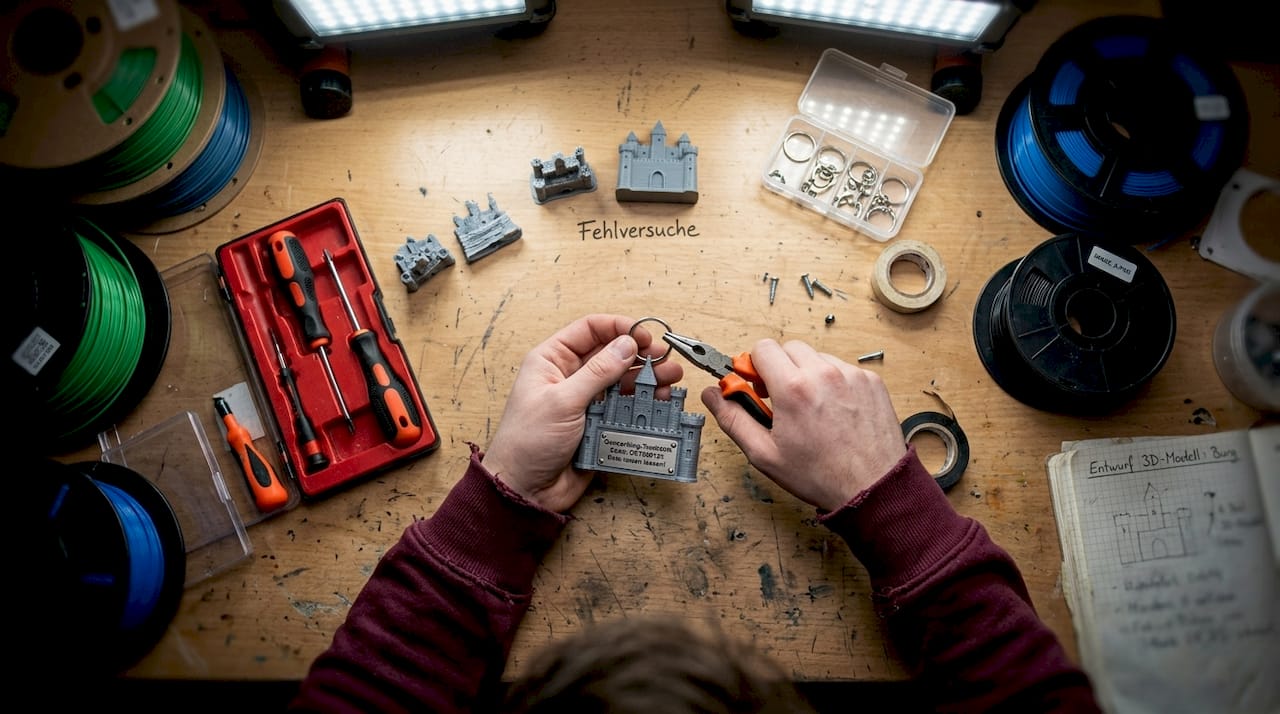
Event collections with static codes are a special category. At mega-events or special gatherings, limited edition trackables are often issued. These usually remain with the owner and can only be logged on-site. They serve as a memento and proof of participation.
Popular trackable formats by intended use:
- Travel trackables for worldwide adventures (coins, robust tags)
- Collectible trackables for events (limited editions, static codes)
- Themed trackables with a mission (e.g., environmental protection, travel destinations)
- Personal trackables as a calling card (individual design, contact info)
- Backup trackables for lost originals (copies with the same code)
Important to note: Trackables should not be swapped for other items. The principle is "pick up, log, move along." Prompt action prevents trackables from disappearing into collections. Fair geocachers log within a few days and place the item in a new cache.
Comparison of Different Trackable Types
Each trackable type has specific advantages and disadvantages. The following overview will help you make the best choice for your situation.
| Type | Advantages | Disadvantages | Best Use |
|---|---|---|---|
| Coins | Robust, collectible, weather-resistant | Heavier, more expensive, more conspicuous | Regular caches, collections |
| Tags | Lightweight, inexpensive, compact | Less conspicuous, lower collector's value | Micro caches, beginners |
| Custom Figures | Highly individual, unique | Higher risk of loss, often more fragile | Personal projects, events |
| 3D Prints | Complete design freedom, moderate cost | Weather-dependent on material | Creative geocachers, themed projects |
Coins offer the best durability and highest collector's value. Their metal construction withstands extreme conditions. However, their weight makes them unsuitable for small caches. Coins are perfect for regular caches in established areas.
Tags excel in practicality. They fit anywhere, cost little, and are easily replaceable. However, their inconspicuousness can also be a disadvantage as they are easily overlooked. For beginners, tags are the ideal choice for experimentation.
Custom figures and personalized objects offer maximum individuality. You can convey your story, interests, or messages. Trackables get lost due to muggles, theft, or cache destruction. Solutions like copies and trackable cemeteries help manage losses.
Pro tip: Always make a copy of valuable or sentimental trackables. Store the tracking code digitally and keep photos. If the original disappears, you can create an identical version and continue the journey. Many specialized shops offer this service.
The choice between types depends on your priorities. Are you looking for durability? Choose coins. Do you need flexibility? Tags are ideal. Do you want to express creativity? Custom designs are your option. Always consider the risk of loss and plan accordingly.
Situational Recommendations for Trackables
Your geocaching goals and experience determine which trackable best suits you. Here are specific recommendations for various situations.
For beginners, lightweight, weather-resistant tags with clear codes are suitable. They are affordable, easy to handle, and fit into most caches. Start with one or two tags to get familiar with the system. Avoid expensive custom designs until you understand community rules.
For events, collectible or themed trackables are worthwhile. Limited editions with event logos or dates have collector's value. Static codes allow logging without physical transfer. These trackables remain with you and document your event participation.
For experienced geocachers, individual 3D-printed objects are exciting. You can implement complex designs that reflect your personality. Laser engraving adds details that are not possible mechanically. These trackables become conversation starters in the community.
For frequent muggle contact, robust coins are more suitable. In urban areas or high-traffic caches, metal coins survive longer. Their conspicuousness may attract curiosity, but their robustness compensates for the risk.
Backup copies help with risky hides or popular locations. If you know a cache is often plundered, send a copy instead of the original. This way, the tracking history is preserved, even if the physical object disappears.
Situation-specific trackable selection:
- World travel mission: Robust coin with clear description
- Local project: 3D-printed object with regional relevance
- Children's cache: Colorful keychain or plush figure
- Extreme weather area: Metal coin or PETG 3D print
- Personal memento: Custom design with backup copy
Also consider the mission of your trackable. Should it visit specific places? Then choose an eye-catching design with clear instructions. Do you simply want to follow its journey? A simple tag will suffice. Trackables for special occasions can be equipped with personalized elements.
Discover Creative Geocaching Hides and Equipment at CacheWerk
Now that you know the variety of trackables, you might be wondering where to find high-quality options. CacheWerk offers a comprehensive selection of special geocaching hides that will elevate your caches.
The platform specializes in innovative hides, urban camouflage, and custom accessories. Particularly interesting are the possibilities for individual trackables with 3D printing and laser engraving. PETG material guarantees weather resistance and durability. The geocaching equipment and accessories cover all needs, from small parts for urban hides to complete cache solutions. For creative geocachers who want to realize their vision, CacheWerk offers the perfect combination of quality and individualization.
Frequently Asked Questions
What are trackables in geocaching?
Trackables are physical items with a unique tracking code that are moved from cache to cache. Any geocacher can pick them up, log them online, and place them in a new cache. This creates a traceable travel history that connects the global geocaching community.
How do coins differ from tags?
Coins are made of metal, are heavier, and often have elaborate designs with enamel infill. Tags are lightweight aluminum or plastic pendants that are more compact and cheaper. Coins are suitable for collections and regular caches, while tags are ideal for micro hides.
Can I replace lost trackables?
Yes, you can have a copy made with the same tracking code. Many specialized shops offer this service. The online history remains, even if the physical original is lost. Inform the community about the replacement for transparency.
Which materials are best?
Metal and PETG offer the best weather resistance. Aluminum is lightweight and corrosion-resistant, while stainless steel provides maximum robustness. PETG from 3D printing combines freedom of form with good durability. Avoid simple plastics that break in the cold or fade in the sun.
How quickly should I move trackables along?
Within two weeks is ideal. Log the trackable online as soon as you pick it up, and promptly place it in a new cache. Keeping it longer frustrates the owner and interrupts the travel history. Respect the mission and keep the trackable moving.
Are static trackables useful at events?
Absolutely, they serve as digital visit confirmations without physical transfer. Event participants can scan the code and log it, while the trackable remains with the owner. This method is perfect for limited editions or personal collectibles with an event connection.