
Seasonal Geocaches: Ideas, Tips, and Creative Comparisons
TL;DR:
- Seasonal geocaches should use weather-resistant materials and appropriate camouflage.
- Winter and night caches rely on lighting effects such as reflectors and UV technology.
- Spring and summer offer nature-based hiding ideas with sustainable materials.
Many geocachers know the feeling: the next season is just around the corner, but ideas for a truly special hide just aren't coming. Seasonal geocaches offer the chance to impress seekers with surprising effects, a fitting theme, and clever camouflage. But choosing the right concepts, materials, and timing is anything but trivial. This article gives you concrete ideas for every season, explains the most important planning criteria, and provides real insider tips to make your cache stand out from the crowd. From winter night caches to autumnal event ideas, you'll find proven inspiration and practical comparisons here.
Table of Contents
- Fundamentals and Criteria for Seasonal Geocaches
- Winter and Night Caches: Effects, Technology, and Safety Aspects
- Spring and Summer: Nature-Based Cache Ideas
- Autumnal Special Ideas and Event Caches
- Expert Perspective: What Really Makes Creative Seasonal Caches Successful
- How to Practically Implement Your Ideas: CacheWerk Support
- Frequently Asked Questions about Seasonal Geocaches
Key Insights
| Point | Details |
|---|---|
| Material choice is crucial | Durable and weather-resistant materials are the foundation for successful seasonal geocaches. |
| Utilize seasonal effects | Innovative techniques like UV and light trails make caches particularly exciting in winter and at night. |
| Connect nature and events | By referencing natural changes or events, the cache becomes particularly attractive to the community. |
| Comparison and planning | A comparison tool and expert tips make selection and implementation easier. |
Fundamentals and Criteria for Seasonal Geocaches
A seasonal geocache is more than just a hidden container with seasonal decorations. It tells a story, adapts to its surroundings, and remains low-maintenance and accessible for weeks or months. Planning this from the start saves a lot of frustration later.
The most important criteria at a glance:
- Durability and Material Selection: The container must withstand wind, rain, frost, and heat. Opting for durable materials significantly reduces repair efforts.
- Seasonal Accessibility: A cache perfectly placed in autumn might disappear under snow in winter or become inaccessible due to frost. Therefore, plan alternative routes or clearly mark the cache as seasonal.
- Event Connection and Souvenirs: Geocaching events during specific seasons particularly motivate the community. Seasonal accessibility and souvenirs for seasonal events are a strong argument for regular visits.
- Camouflage and Appearance: The camouflage should match the season. A summery mossy cache looks out of place in winter.
- Logbook and Interior: Moisture protection is a must. Silica gel packets or double seals ensure the logbook stays dry.
Important: Always plan your cache for the worst-case scenario. A hideout that remains safely accessible and discoverable in rain, snow, and strong winds will receive better ratings in the long run.
When planning for winter conditions, you should also consider that the ground can freeze and containers can break. PETG and similar plastics are significantly more frost-resistant than standard PVC or thin plastic. Hinges and closures should also be checked for cold resistance.
Pro Tip: When planning, mentally place your cache in the worst snowy winter. If it still works then, it's optimally prepared for all other seasons. Also, note which seasonal souvenirs geocaching events offer, and align your cache launch accordingly.
A good seasonal cache also has a clear event connection. Events around solstices, equinoxes, or local festivals give cachers a reason to set out right then. This increases the find rate and ensures fresh logs.
Winter and Night Caches: Effects, Technology, and Safety Aspects
Winter caches are among the most impressive experiences in the geocaching year. When the forest is silent, the air is clear, and light trails lead through the darkness, an atmosphere is created that is hard to beat.
Night caches are considered a seasonal highlight in winter because long nights offer optimal conditions for light effects. The most important techniques:
- Light Trails: Reflectors on trees or posts guide seekers through dark forests. Simple to implement, very effective.
- UV Technology: Invisible markings with UV paint that are only visible under black light. Ideal for clues on logs or coordinates.
- LED Elements: Small, waterproof LEDs mark the path or the hide itself. Battery-powered and available with runtimes of several months.
- Fiber Optic Effects: Advanced cachers use fiber optic light that shines out of a cache and attracts seekers.
Safety is not an optional extra for night caches. As a cache owner, you are responsible for the conditions under which seekers find your cache.
Note: Ensure that paths are well-marked and safe to walk on. Steep slopes, icy paths, or unsecured embankments have no place in the night cache area.
An often overlooked point: The number of active night caches is decreasing in many regions. This is due to stricter permit requirements in nature reserves and increased maintenance efforts. Those who follow trends in night caches know that creative concepts stand out precisely because the competition is smaller.
Pro Tip: Combine UV markings with classic reflectors. This way, you experience two effects in one cache: the analog light trail for everyone and a hidden UV message only for seekers with black light. This makes your night cache unforgettable.
Also, plan short routes. A night cache with three to five stations and a clear return route will be searched much more frequently than a marathon tour in the dark. Quality beats quantity.
Spring and Summer: Nature-Based Cache Ideas
When the snow melts and the first buds appear, the most productive phase for new cache ideas begins. Spring and summer offer a wealth of natural elements that inspire creative hides.
Nature-based ideas for spring and summer:
- Flower Mimicry: A cache disguised as a branch or tree stump almost completely disappears in the fresh green. Particularly effective at forest edges.
- Wildlife Observation Cache: Hides near known breeding grounds or animal crossings combine nature experience with searching. Clues use seasonal nature observations.
- Sundial Multi: Multiple stages where the sun's shadow indicates the next coordinates. Only solvable in summer with direct sunlight.
- Near Water and Rivers: In spring, streams carry more water than usual. Spring after snow opens new time windows for souvenirs and seasonal events.
- Upcycling Hides: Old flower pots, wood scraps, or wine corks transform into perfect camouflage objects for garden caches.
Pro Tip: Use sustainable materials wherever possible. A cache made from recycled wood or natural materials not only blends in visually, it also leaves a positive impression on the community.
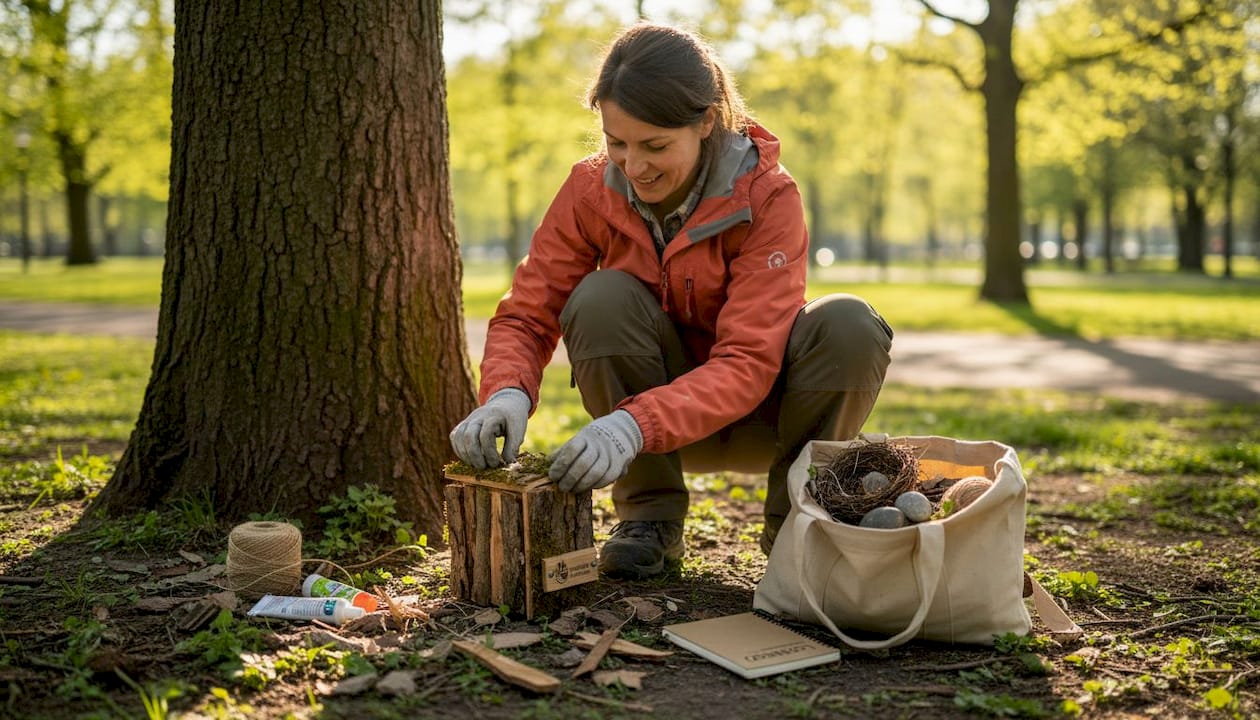
Here's a direct comparison of common outdoor materials for spring and summer caches:
| Material | Weather Resistance | Weight | Sustainability | Workability |
|---|---|---|---|---|
| PETG (3D printing) | Very high | Medium | Medium | Very good |
| Aluminum | High | Heavy | Good | Medium |
| Wood (treated) | Medium | Medium | Very good | Good |
| PVC | Medium | Light | Low | Good |
| Stainless steel | Very high | Heavy | Good | Difficult |
The tips for material selection clearly show: For self-made caches in spring and summer, PETG from a 3D printer is often the best choice. It is malleable, durable, and can be color-matched to the surroundings.
Also important: Access routes change quickly in spring. What was used as a path in winter can be under meltwater in March. Always personally check your cache locations after winter.
Autumnal Special Ideas and Event Caches
Autumn is the peak season for event caches. Leaves, fog, shorter days, and prominent festivals offer countless opportunities for creative hides with real character.
Creative ideas for autumn caches:
- Leaf Pile Camouflage: A weather-resistant container under artificial or real leaves. Season-specific and very popular with seekers.
- Halloween Caches: Special themes with spooky logbooks, dark designs, and matching trade items. Very high find rate in October.
- Fog Multis: Multi-stage caches that are particularly atmospheric in fog. Background information on local sagas or myths enhances the experience.
- Solstice Events: Autumnal event caches around the equinox allow for the release of exclusive souvenirs.
Especially souvenirs for seasonal events are a strong motivator. Geocaching.com regularly awards digital souvenirs for events around the solstice and equinox. This attracts seekers who want to expand their souvenir collection.
| Event Type | Typical Period | Souvenir Potential | Community Interest |
|---|---|---|---|
| Autumn Equinox | September | High | Very high |
| Halloween | October | Medium | High |
| Beginning of Winter | December | Very high | High |
| Local City Festival | Variable | Low | Medium |
Statistic: Several thousand event caches are held annually in Germany. Autumn is one of the most active periods, as school holidays, mild temperatures, and prominent festivals coincide.
Anyone planning an event cache should obtain permits from the municipality and district early. This is mandatory in many federal states, especially for larger events with more than 20 participants.
Expert Perspective: What Really Makes Creative Seasonal Caches Successful
Many geocachers focus on the initial "wow" effect: an unusual hide, cool UV effects, perfect camouflage. That's good. But what really counts is staying power.
A cache that rots after three months, draws moisture, or is poorly maintained leaves a lasting negative impression. The community doesn't forget that. Experienced cachers know: the best seasonal caches thrive on local relevance and genuine community involvement. A Halloween cache that addresses a local legend is far superior to any generic spooky container.
Seasonal souvenirs serve as a clever tool here. Placing events specifically on significant days like the solstice or equinox leverages the natural motivation of souvenir collectors. And definitions and trends around night caches show: precisely where others stop, niches for unforgettable experiences emerge.
Our advice: network with the local geocaching community before planning. Feedback from the group is invaluable and saves expensive mistakes.
How to Practically Implement Your Ideas: CacheWerk Support
You now have a solid overview of seasonal geocache ideas. Now it's time for implementation. At CacheWerk, you'll find exactly the products you need for creative, durable, and weather-resistant caches.
Whether weather-resistant containers made of PETG, special camouflage materials for all seasons, or personalized trackables: The geocaching equipment at CacheWerk is designed to directly implement your ideas. No long searches, no compromises. Visit CacheWerk directly and let the products inspire you for the next season. The community looks forward to your next creative cache.
Frequently Asked Questions about Seasonal Geocaches
What is the most important factor when planning a seasonal geocache?
Accessibility and the choice of durable, weather-resistant materials are crucial for successful implementation. Only a well-planned cache remains low-maintenance and popular in the long term.
How can I adapt my cache to changing seasons?
Regular checks, adapting camouflage, and using seasonal souvenirs keep your cache relevant. Event relevance also motivates seekers during specific seasons.
What innovative techniques are used for winter or night caches?
Light trails and UV technology, as well as special lighting technologies, make night caches true winter highlights. Combinations of reflectors and UV paint provide unforgettable experiences.
How can I use my geocache idea for event souvenir issuance?
Plan events specifically at seasonal highlights like the solstice or equinox to enable official souvenirs for events. This significantly increases participation and the visibility of your cache in the community.