
Difference between Letterbox and Cache: Methods Compared
The difference between letterboxing and geocaching lies in the search method and documentation: Letterboxing uses handwritten clues and stamps, while geocaching relies on GPS coordinates and logbook entries. Letterboxing has existed since 1854 as a mix of art, puzzles, and treasure hunting, while geocaching is a modern GPS-based hobby that emerged in 2000. Both activities take you into nature and reward you with the thrill of discovery. Those who truly understand the difference between letterboxing and geocaching can strategically use and even combine both worlds. This article will explain exactly what to expect from each method.
How do the search methods differ between letterboxing and geocaching?
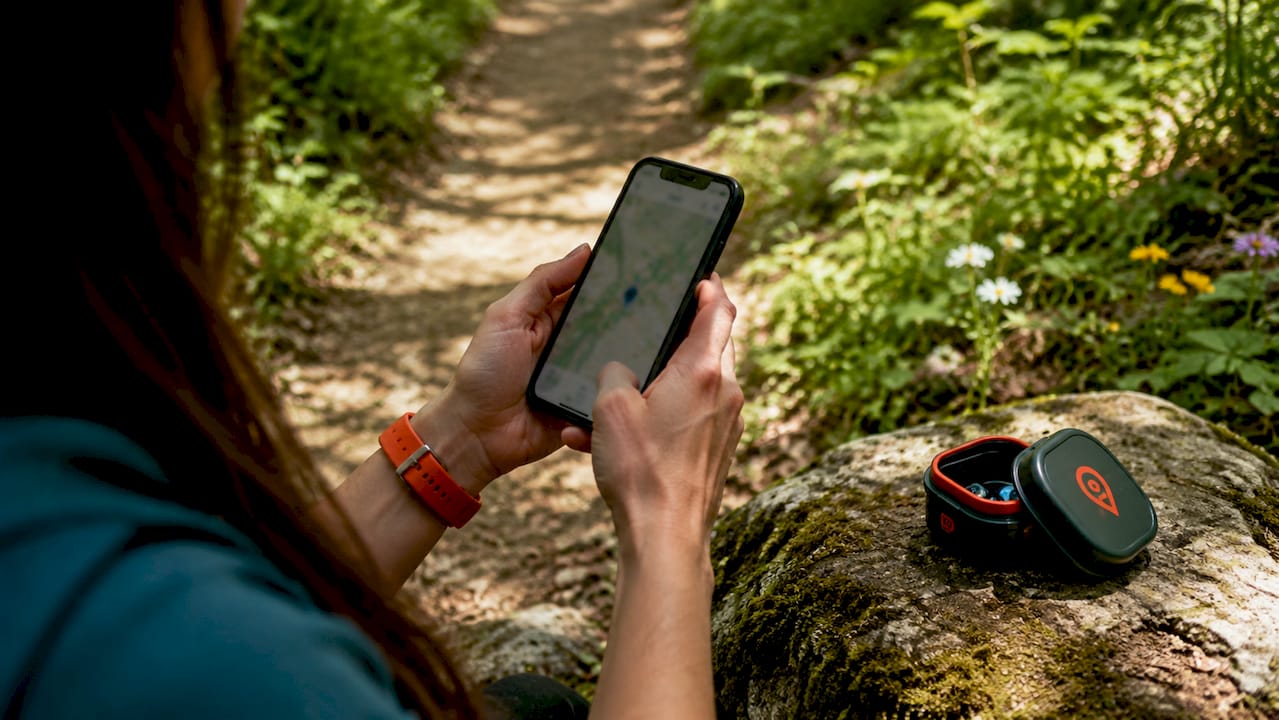
Geocaching has been based on GPS since 2000 for finding containers, while letterboxing uses clues and hand-carved stamps without GPS. This is the most fundamental technical difference between the two activities. In geocaching, you retrieve the coordinates of a cache from platforms like Geocaching.com, enter them into your GPS device or smartphone, and navigate directly to the hiding spot. Technology takes care of the orientation, and you focus on finding the container.
In letterboxing, it works differently. You receive a description with waypoints, puzzles, or clues that guide you step-by-step to the destination. Letterboxing requires more focus on the surroundings and clues rather than GPS coordinates. This means: you read descriptions like "Walk 200 steps towards the old oak, then turn left" instead of simply following an arrow on a screen. This method significantly sharpens observation skills and sense of direction.
A typical geocaching search process looks like this: open the app, load coordinates, go. In letterboxing, you read the clues at home, plan the route, and bring your own ink pad and stamp book. Tip: always bring your own ink pad and stamp book, as these are essential for letterboxing.
- Geocaching: GPS coordinates as a starting point, digital platforms like Geocaching.com or Opencaching.de, smartphone or GPS device required
- Letterboxing: Clues, puzzles, and directions as navigation, no GPS required, bring your own ink pad and stamp book
- Letterbox Hybrid: Combination of GPS coordinates and clues, stamp available in the cache, listed on geocaching platforms
Pro Tip: If you're starting with letterboxing, print out the clues and read them completely before you set off. Many clues build on each other and only make sense in context.
For those who want to delve deeper into GPS usage in geocaching, it's worth taking a look at the technical fundamentals of navigation. A good GPS device or a reliable app makes all the difference between frustration and success in geocaching.
What are the differences in logging and documentation?
In geocaching, the name is written in the logbook; in letterboxing, participants exchange stamp impressions in their own book. This difference may seem small, but it shapes the entire experience. The geocaching logbook is a physical notebook in the cache where you write down the date and your nickname. Additionally, you log the find online on the respective platform, enabling global networking of the community.
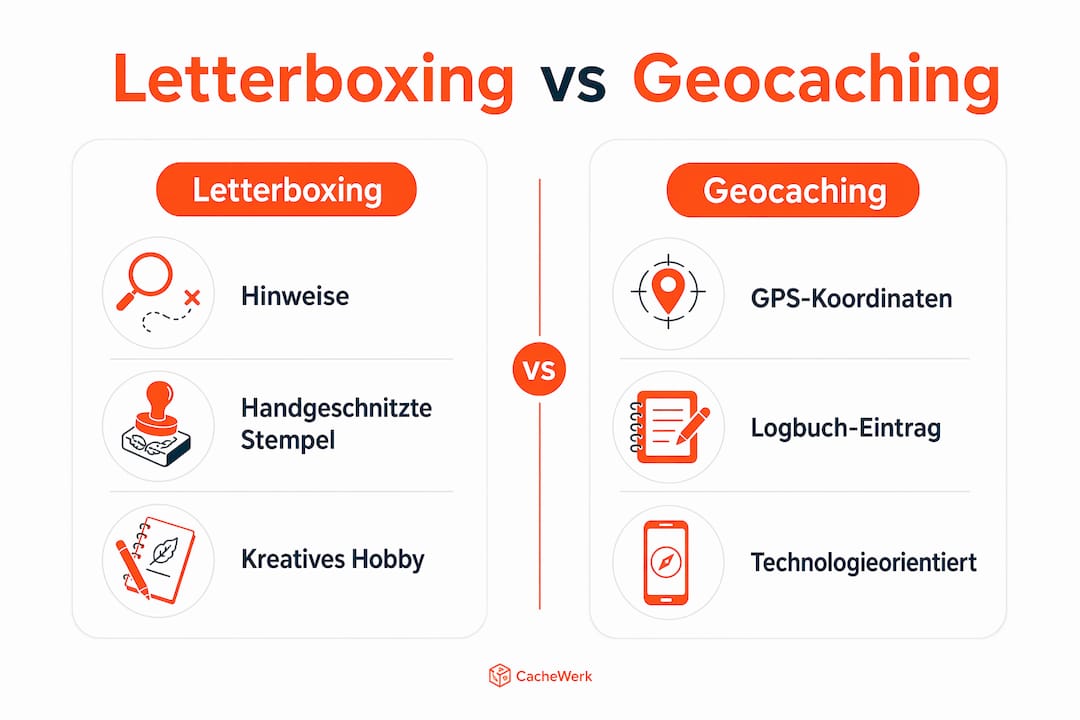
In letterboxing, documentation happens via stamps. Inside the cache is a hand-carved stamp that you press into your own stamp book. At the same time, you use your personal stamp to immortalize yourself in the cache's logbook. The most common beginner's mistake is taking the stamp with you when letterboxing. The stamp belongs to the cache and stays there. It is not a trade item.
Special rules apply to Letterbox Hybrid caches that beginners should know:
- Do not remove the stamp from the cache. It always remains in the container.
- Press your own stamp into the cache's logbook to document your visit.
- Press the cache stamp into your personal stamp book to expand your collection.
- Additionally, log the find online on the geocaching platform, just like a regular cache.
- If the stamp or logbook is damaged, place a Needs Maintenance log.
The "Needs Maintenance" log type signals defects in geocaches, which is less common in letterboxing. This highlights another cultural difference: geocaching has a sophisticated digital system for quality assurance, while letterboxing relies more on personal responsibility and direct communication within smaller communities.
Pro Tip: Get a high-quality, weatherproof stamp book. Cheap notebooks will soften in moisture and ruin your collected stamp impressions.
Maintaining a geocache is the owner's responsibility. Geocachers are responsible for maintenance, which plays an important role in preserving the game. Anyone who hides a cache takes on a long-term commitment to the community.
What goals and community ideals do letterboxing and geocaching pursue?
Letterboxing is a creative, artistic hobby, while geocaching is a global, technology-oriented game. This basic orientation determines who is attracted to which activity. Many outdoor enthusiasts combine both activities, as geocaching appeals to technology lovers and letterboxing to creatives and puzzle lovers. This explains why both hobbies, despite their similarities, have given rise to different communities.
The geocaching community is globally connected. Platforms like Geocaching.com connect millions of players worldwide, finds are documented digitally, and statistics motivate further searching. Letterboxing communities like Atlasquest.com or Letterboxing.org are smaller and more regionally focused. The focus is on the craftsmanship aspect: hand-carved stamps are considered works of art and are valued accordingly.
Both activities share important core values:
- Nature Conservation: Letterboxes must not contain food or fragrances to avoid attracting animals. Geocaches follow similar rules.
- Leave No Trace: Both hobbies require participants to leave no trace in nature.
- Respect for Property: Caches and letterboxes may only be placed on private property with permission.
- Community Care: Defective containers are reported and repaired to ensure a good experience for subsequent seekers.
Geocaching has reached a wider audience due to its scalability. Families, athletes, and tech enthusiasts can all find access. Letterboxing appeals more to people who value craftsmanship, creativity, and solving puzzles without digital aids. Both worlds complement each other well, and those who know both understand outdoor treasure hunting at a completely different level.
How can letterboxing and geocaching be combined?
Letterbox Hybrid Caches are often just geocaches with stamps, without a true letterboxing experience. True hybrids require listings in both communities and offer both GPS navigation and classic clues. That's the difference between a cache that coincidentally contains a stamp and a well-thought-out hybrid experience. Anyone creating or searching for a Letterbox Hybrid should know this difference.
The following table shows the most important features in direct comparison:
| Feature | Geocaching | Letterboxing | Letterbox Hybrid |
|---|---|---|---|
| Navigation | GPS coordinates | Clues and puzzles | GPS plus clues |
| Documentation | Logbook entry and online log | Stamp impression in own book | Both combined |
| Stamp | Not present | Hand-carved stamp in cache | Stamp in cache, stays there |
| Platform | Geocaching.com, Opencaching.de | Atlasquest.com, Letterboxing.org | Both platforms |
| Target Audience | Tech enthusiasts, families | Creatives, puzzle lovers | Both groups |
Letterbox hybrids should be listed on both platforms to offer the full experience of both worlds. In practice, however, many hybrids are only active on geocaching platforms, which significantly diminishes the letterboxing experience. If you are looking for or creating a hybrid, always check if it is also listed in the letterboxing community.
A common pitfall with hybrids: many seekers forget their ink pad at home because they primarily perceive the cache as a geocache. The result is an incomplete experience and an empty stamp impression in their own book. Pack your stamp set for every hybrid outing, even if you are not sure whether you will need it.
Key Takeaways
The difference between letterboxing and geocaching lies in the search method, documentation, and cultural orientation: letterboxing uses clues and stamps, while geocaching uses GPS and logbooks.
| Point | Details |
|---|---|
| Search Method | Geocaching uses GPS coordinates, letterboxing relies on clues and directions without GPS. |
| Documentation | Geocachers sign a logbook, letterboxers exchange stamp impressions in their own book. |
| Stamp Rule | The stamp always remains in the cache and cannot be taken as a trade item. |
| Letterbox Hybrids | True hybrids are listed on both geocaching and letterboxing platforms and offer both experiences. |
| Target Audience | Geocaching appeals to tech enthusiasts, letterboxing to creatives and puzzle lovers. |
Letterboxing or Geocaching: My Honest Experience Report
I have tried both activities extensively, and my honest assessment is this: geocaching is the easier entry point, letterboxing is the deeper experience. That sounds like a contradiction, but it isn't.
With geocaching, you get immediate successes. You open the app, navigate to the point, find the cache. The reward system is clear and fast. With letterboxing, you have to invest more. You read the clues, interpret them, sometimes go in the wrong direction, and still don't find the box on the first try. But precisely this process makes it more satisfying when you do find it.
What truly surprised me about letterboxing: the craftsmanship of the stamps. Some stamps are genuine works of art that someone spent hours carving. This gives the find a personal touch that a logbook entry cannot replicate. Geocaching, however, has a better community infrastructure. The platforms, the statistics, the global networking. That motivates in a different way.
My advice for anyone who is still undecided: Start with geocaching because the entry barrier is lower. Then try a simple letterbox that has good ratings and is located near you. And if you find a well-made letterbox hybrid, take the time to experience it fully. Both activities together create an outdoor experience that offers much more than either method alone.
— Benedikt
Equipment for Geocaching and Letterboxing at Cachewerk
Whether you're starting with geocaching or trying letterboxing: the right equipment makes the difference between a frustrating and a successful outing.
At Cachewerk, you'll find everything you need for both activities. From weatherproof containers and camouflage for your own caches to accessories for letterbox hybrids. The geocaching equipment at Cachewerk includes products suitable for both urban and rural hides. High-quality, durable materials ensure that your caches and letterboxes function perfectly even after months outdoors. Take a look and find the right accessories for your next adventure.
FAQ
What is the main difference between letterboxing and geocaching?
The main difference lies in the search method and documentation. Geocaching uses GPS coordinates and logbook entries, while letterboxing relies on clues and stamp impressions.
Can I take the stamp from a letterbox?
No. The stamp always remains in the cache and is not a trade item. The most common beginner's mistake is precisely that: accidentally taking the stamp with you.
What is a Letterbox Hybrid Cache?
A Letterbox Hybrid is a geocache that additionally contains a stamp and combines elements of both activities. True hybrids are listed on both geocaching and letterboxing platforms.
Do I need a GPS device for letterboxing?
No. Letterboxing works without GPS. You follow written clues and directions that guide you step-by-step to the destination.
Which activity is better for beginners?
Geocaching is easier to get started with, as GPS navigation is clear and direct. Recommendation for beginners: try both to find your personal favorite.