
Cache Exchange Process: Correct Maintenance in 5 Steps
The cache exchange process follows a clear 5-step procedure: preparation, inspection, exchange, resealing, documentation. Those who follow this sequence can complete the entire maintenance in a single visit, without having to return to the hideout a second time.
- Preparation: Pack spare parts, logbook, and tools
- Inspection: Check condition of container, camouflage, and contents
- Exchange: Renew logbook, fairly evaluate trade items
- Resealing: Restore watertightness and camouflage
- Documentation: Write owner maintenance log (OM)
A simple on-site exchange is sufficient if the logbook and container are dry and the camouflage holds. As soon as there is water in the container or the camouflage is visibly damaged, a more extensive maintenance round with a replacement container is needed. The Geocaching Guidelines anyway require that owners remain responsible for the condition of their hides, as reviewers and the community practice of sweeping only intervene when nothing else is happening.
Pro Tip: Always bring a second, empty logbook. This way, you can exchange it immediately even if the old one is completely full or soaked, instead of planning a follow-up.
Key Takeaways
The cache exchange process is reliably successful if preparation, inspection, exchange, resealing, and documentation are all completed in one round.
| Topic | Details |
|---|---|
| Five-step process | Complete preparation, inspection, exchange, resealing, and documentation in one visit. |
| Fair trade rule | Only leave items of equal or higher value, never food or cosmetics. |
| Handle trackables separately | Never demand Travel Bugs and Geokretys as trade items; let them travel separately. |
| Adhere to maintenance intervals | Check urban micro-caches every 1 to 3 months, rural outdoor caches less frequently. |
| Use appropriate maintenance kit | Cachewerk starter bundles with PETling, logbook, and holder standardize spare parts for each round. |
Table of Contents
- How does the on-site cache exchange process work?
- What belongs in a cache, what never belongs in it?
- What materials keep a cache alive for a long time?
- How often should a cache be maintained?
- What to do in case of vandalism, water damage, or a lost cache?
- Sources
How does the on-site cache exchange process work?
A clean process saves time and prevents you from having to drive to the same hideout twice. The following sequence has proven itself in practice and can be repeated for several caches in one afternoon.
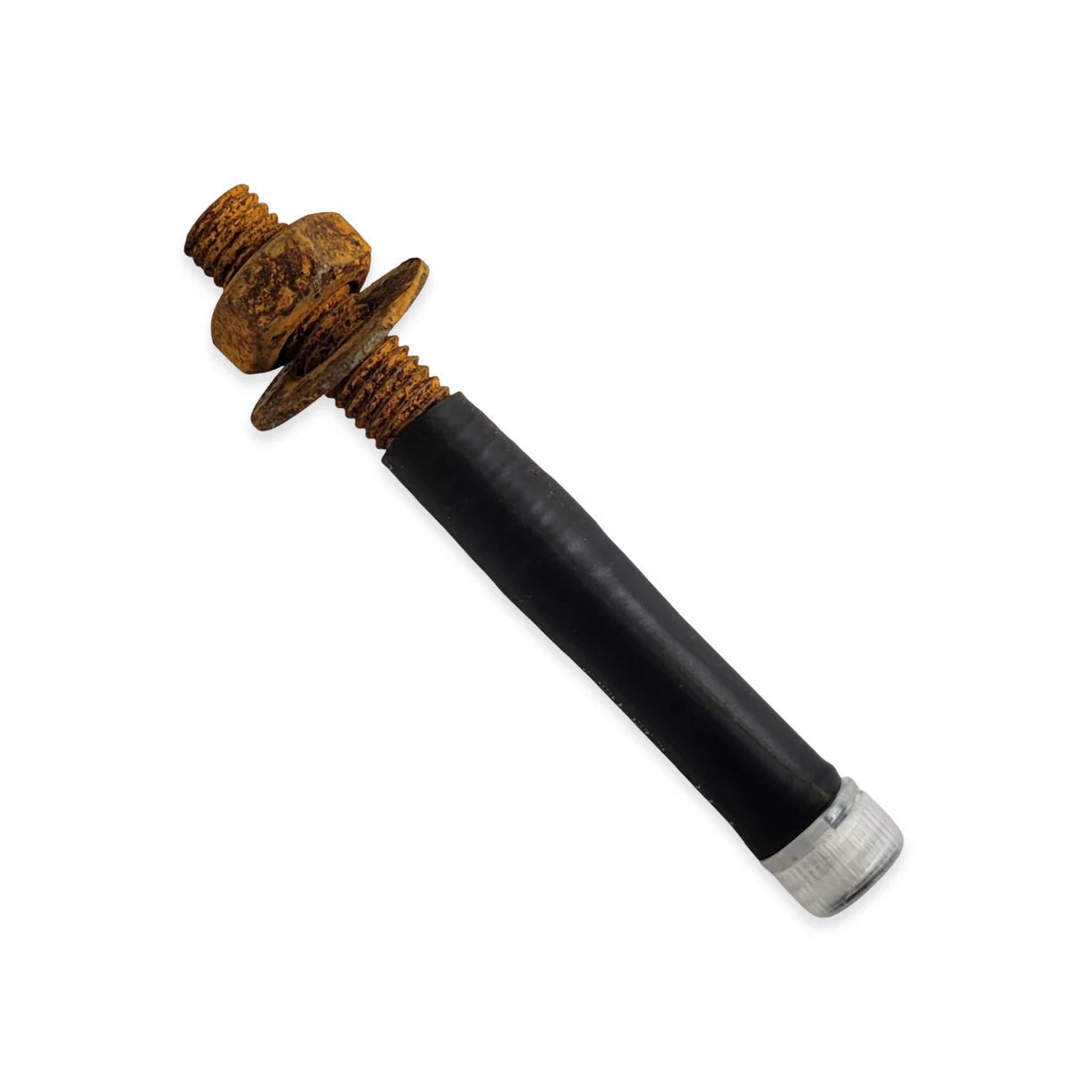
Checklist for preparation
Before departure, the following should be in your bag:
- Spare logbook and waterproof pens
- Small items for exchange (collectibles, child-friendly items)
- Replacement O-rings or gaskets
- Gloves and waterproof bags for wet finds
- Smartphone or GPS device for coordinate checking
- Camera for before-and-after photos
The Geocaching Guidelines require that an owner verifies the position with a GPS-enabled device before a hide goes online at all. During maintenance, the same check is worthwhile again, because coordinates rarely drift, but vegetation and construction sites often change accessibility.
Procedure in five numbered steps
- Arrival and Coordinate Check: Confirm GPS point, quickly take a photo of the surroundings.
- Visual Inspection Outside: Check camouflage, look for muggle signs like footprints or moved stones.
- Visual Inspection Inside: Open container and check for water, mold, damaged logbook, or unauthorized items.
- Perform Exchange: Replace logbook if necessary, evaluate trade items according to the principle of equivalence. A practical example: If a faded plastic toy is next to an intact keychain in the cache, the keychain stays in, the toy is replaced by something comparable. Trackables like Travel Bugs or Geokretys are never touched; they are not trade items but travel independently.
- Reseal: Check lid or closure for watertightness, restore camouflage, take a photo of the finished hideout.
After the visit, the documentation in the listing follows. A brief Owner Maintenance Log is sufficient, for example: "Logbook replaced, container dried, camouflage renewed. Everything is ready for use again." Such OM logs are more than courtesy. According to the official Geocaching blog, owners should write an OM log for every actual maintenance and temporarily disable the listing if the cache is missing. Otherwise, reviewers can initiate a so-called sweeping process if no owner activity is visible for a longer period.
Pro Tip: Wear gloves for every cache you maintain yourself. Damp logbooks and old trade items can mold, and gloves protect you from spores and dirt alike.
What belongs in a cache, what never belongs in it?
The basic rule for trading is "trade equal or trade up." If you take an item, you leave something of comparable or higher value. This rule does not come from Geocaching etiquette guides, but is firmly embedded in the community practice regarding trade items and applies practically everywhere.
Allowed are:
- Weatherproof small items like keychains or beads
- Child-friendly toys without small parts
- Collectibles like coins or pins
- Spare logbooks, if the old one is full
Forbidden are:
- Food of any kind (attracts animals, spoils)
- Cosmetics and scented candles (can leak or smell)
- Stuffed animals and soft toys (absorb moisture, mold)
- Sharp, dangerous, or easily flammable objects
Warning: Trackables like Travel Bugs or Geokretys must never be demanded or retained as trade items. They travel independently from cache to cache and are logged separately.
Each of these prohibitions has a practical reason: moisture promotes mold, strong odors attract wild animals, and perishable substances render the entire container unusable.
What materials keep a cache alive for a long time?
The choice of container often determines whether a cache lasts for months or years. A few proven options:
- PETling: ideal for micro-hides, light and waterproof
- Waterproof container: for standard sizes in the forest or park
- Weatherproof logbook: withstands moisture significantly longer than normal paper
- Magnetic container: practical for hides on metal objects like lampposts
- Replacement O-rings: small spare parts that save the watertightness of older containers
CacheWerk has compiled maintenance kits precisely from this need. The Geocaching Starter Bundle 1 combines PETling, a weatherproof logbook, and a holder in a package specifically designed for quick maintenance rounds. If you need a suspension instead of a fixed holder, the Geocaching Starter Bundle 2 offers the right variant.
A well-thought-out starter set takes the decision of what belongs in the maintenance kit off your hands. You pack it once and are prepared for the next rounds.
Pro Tip: Store spare parts sorted by cache type. This way, you immediately grab the correct PETling or magnetic container on your next visit, without searching through your backpack.
How often should a cache be maintained?
The correct maintenance rhythm depends on the cache type and location. Urban micro-caches with high find rates deserve closer inspections than remote outdoor hideouts.
- Micro-caches in the city: every 1 to 3 months, due to frequent use and muggle risk
- Standard caches in the park: every 3 to 6 months
- Outdoor caches in rural areas: every 6 to 12 months, depending on weather exposure
Certain warning signs force an immediate visit, regardless of the planned interval: water in the container, a missing logbook, signs of muggle activity, or damaged camouflage.
- Check current logs in the listing for problem indications
- Plan an immediate visit if there are warning signs
- Go through the complete 5-step routine on site
- Write an OM log directly after the visit
According to the official blog on cache maintenance, visible owner activity through regular OM logs reduces the risk of reviewers initiating a sweeping process.
What to do in case of vandalism, water damage, or a lost cache?
Some problems cannot be solved on the first visit. In such cases, the correct reaction is more important than on-site perfection.
- Container completely missing: Immediately temporarily disable the listing so that no one searches in vain.
- Logbook soaked: Replace logbook, briefly mention the incident in the OM log.
- Vandalism visible: Take photos, leave a reviewer note if uncertain about further publication.
- Cache permanently unfindable: Archive or create a completely new container with new coordinates.
Owners whose hideouts are far away should, according to Geocaching etiquette for owners, organize a fixed maintenance plan with local helpers instead of relying on chance visits.
- Reviewer contact via the official messaging system for publication questions
- Community forums for quick second opinions on borderline cases
Why I think this works
I see the same cause for most problems: missing OM logs. Those who consistently check logbook, watertightness, and fair trade items avoid almost all trouble in advance.

Order suitable maintenance kit directly
Instead of gathering each spare part individually, Cachewerk offers ready-made packages tailored precisely to this 5-step process. This saves you the search before the next maintenance round and ensures that nothing is truly missing.
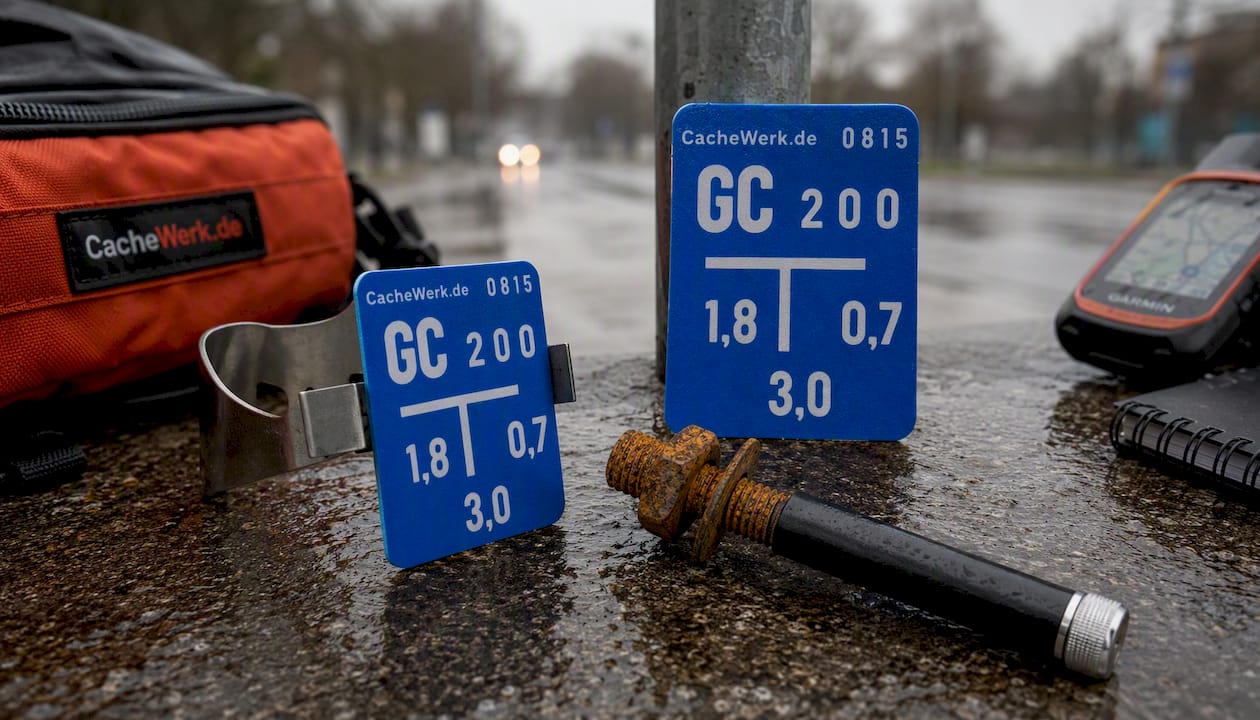
The Geocaching Starter Bundle 1 provides PETling, a weatherproof logbook, and a holder in one go, ideal for micro and standard hides. If you need a suspension instead of a holder, the Geocaching Starter Bundle 2 better suits your hide. For on the go, the Crossbody Bag with Opencaching logo is worthwhile: it keeps logbook, spare parts, and tools within reach, while you have both hands free during visual inspection. All three items can be found directly in the Geocaching equipment and accessories assortment. Take a look, put together your own maintenance kit, and start the next round perfectly prepared.