
Select geocache material: durable, weatherproof
Many geocachers know the frustration: after just a few months, the lovingly placed cache is damaged, the logbook is soaked, or the hiding place has been discovered. Choosing the right material determines the lifespan, camouflage, and durability of your cache. 35% of cache damage results from inadequate sealing and material selection. This article shows you practical criteria for material selection, concrete implementation steps, and how to avoid typical mistakes. From preparation and material analysis to error prevention, you'll get all the tools you need for durable, weatherproof geocaches.
Table of contents
-
Preparation: what you should know and bring before choosing materials
-
Material types and their properties for geocache hiding places
-
Practical application: step-by-step instructions for selecting and processing geocache materials
-
Sources of error: common problems in material selection and their solutions
-
Expected results and success measurement in material selection
-
Discover geocaching materials and standard hiding places at CacheWerk
Key findings
| Point | Details |
| Material choice affects durability | UV-resistant plastics, treated wood and robust metal significantly extend the cache's lifespan. |
| Location determines material | Urban environments require different materials than rural hiding places for optimal camouflage. |
| Protective measures are essential | Sealing, UV-protective varnishes and waterproof coatings prevent premature damage. |
| Mistakes can be avoided. | Unsuitable plastics without UV protection and inadequate sealing are the most common problems. |
| Maintenance extends service life | Regular inspections and maintenance ensure the long-term functionality of your cache. |
Introduction: Why material choice is crucial in geocaching
Choosing the right material is the foundation for every successful geocache. Weather resistance, camouflage, and durability depend directly on the material properties. A cache made of untreated wood will disintegrate in the forest within two years, while UV-protected plastic can last five years in the city.
Urban and rural environments present entirely different challenges. In the city, you need materials that blend seamlessly with concrete and metal. In the forest, natural materials like wood or bark work better. Urban camouflage increases the success rate for hidden caches in the city by 25%.
The most common materials for geocaches include plastic, wood, metal, and 3D-printed specialty parts. Each material has its own specific advantages and disadvantages. Plastic is waterproof and malleable, wood provides natural camouflage, metal resists vandalism, and 3D printing allows for custom shapes.
Camouflage not only protects against prying eyes but also against vandalism. A well-camouflaged cache stays intact longer. Choosing the right materials reduces maintenance and significantly extends the lifespan of your hidden cache.
-
Plastic : Weather-resistant, UV protection required, medium camouflage capability
-
Wood : Natural camouflage, requires maintenance, ideal for forest caches
-
Metal : Extremely robust, heavy camouflage, vandal-proof
-
3D printing : Customizable, modern materials available
An overview of different hiding materials will help you find the right solution for your location.
Preparation: what you should know and bring before choosing materials
Before you buy any materials, you need to analyze your location carefully. Weather conditions, risk of vandalism, and the nature of the surroundings will determine your requirements. A cache on the outskirts of a city needs different characteristics than one deep in a forest.
Having the right tools makes material processing much easier. You will need:
-
Saw or cutter for precise cuts
-
Drill with suitable attachments
-
Waterproof adhesives such as epoxy resin or silicone
-
Sandpaper for smooth surfaces
-
Protective lacquers and sealants
Site requirements vary greatly. Urban areas are more susceptible to vandalism, while rural hiding places must withstand more moisture. Check exposure to direct sunlight, as UV radiation makes plastics brittle.
Don't ignore legal aspects. Never place caches on private property without permission or in nature reserves. Safety considerations include avoiding dangerous materials and sharp edges.
Pro tip: Before purchasing materials, create a checklist including location factors, cache type, and budget. This will save you from making the wrong purchases and unnecessary extra work.
An overview of different cache types shows you which material requirements apply to Traditional, Multi or Mystery caches.
-
Conduct a weather analysis of the location
-
Obtain tools and materials in advance.
-
Review the legal framework
-
Set budget and timeline
Material types and their properties for geocache hiding places
Each material has characteristic properties that significantly influence the quality of your cache. The following table provides a detailed overview:
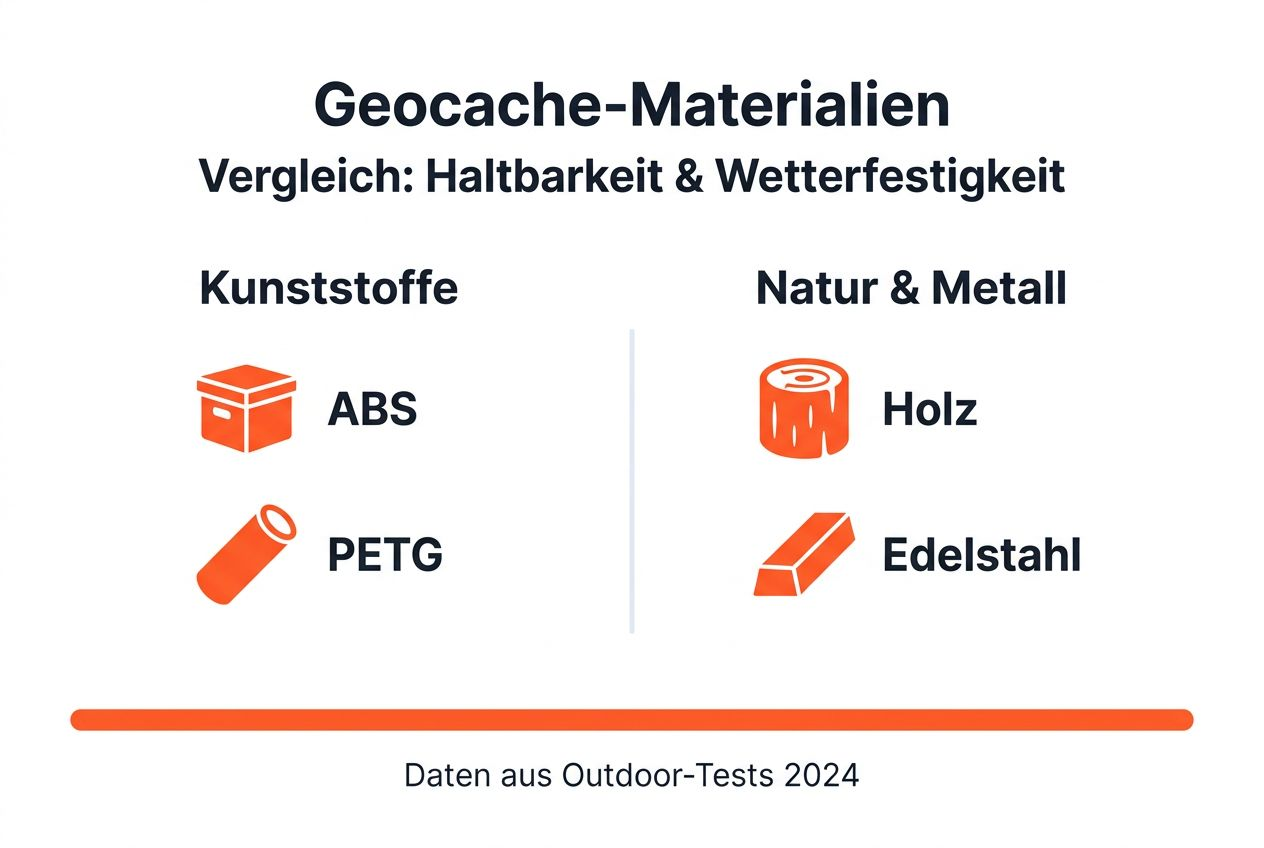
| material | Advantages | Disadvantages | Typical lifespan | Ideal use |
| ABS plastic | UV-resistant, waterproof, malleable | Medium camouflage ability, brittle in cold conditions | 5-7 years | Urban caches, magnetic hiding places |
| PETG | Very robust, weather-resistant, recyclable | Higher price | 5-8 years | High-traffic areas |
| Wood | Natural camouflage, environmentally friendly | High maintenance, prone to moisture | 3-5 years | Forest caches, nature hideaways |
| metal | Extremely robust, vandal-proof | Heavy camouflage, risk of rust | 7+ years | High-security caches |
| 3D printing (PLA) | Individual shapes, cost-effective | Limited UV resistance | 2-4 years | Special caches, protected areas |
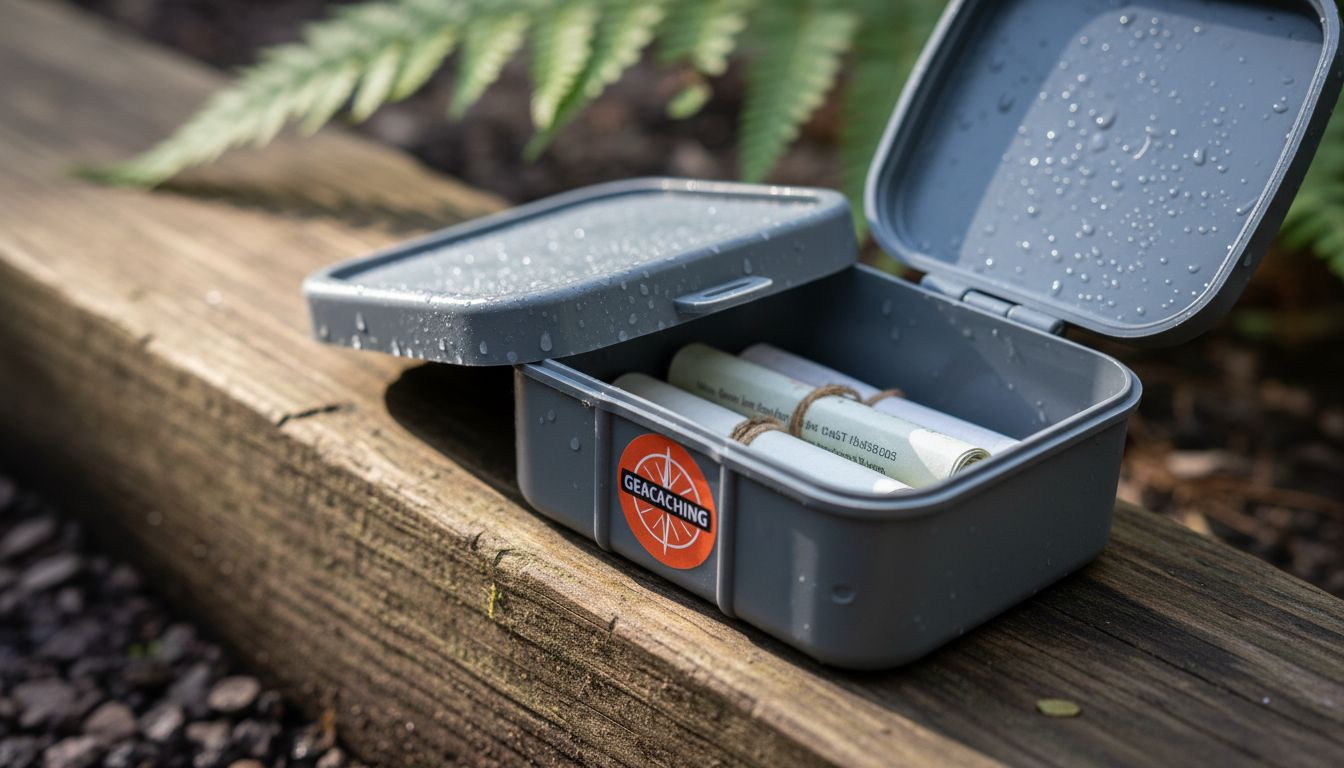
Plastics like ABS and PETG dominate modern geocaches. They are waterproof, can be precisely shaped, and withstand most weather conditions. However, UV resistance is critical; without protection, these materials degrade within two years.
Wood offers unbeatable camouflage in natural environments. An untreated wooden cache blends perfectly into tree bark or deadwood. However, it requires a lot of maintenance; without regular treatment with wood stain, the material rots quickly.
Metal scores points with its extreme robustness and durability. Stainless steel or galvanized sheet metal resist vandalism and corrosion. Camouflage is difficult unless you use special coatings or integrate the metal into urban structures.
3D-printed caches open up entirely new design possibilities. You can create precise shapes for specific hiding places. Modern filaments offer good water resistance, but they require additional UV protection for long-term durability.
Sustainability is gaining importance. Recycled plastics offer a lifespan of 3-7 years and significantly reduce the ecological footprint. Bio-based materials are developing rapidly.
A practical example: Waterproof film canisters made of robust plastic offer optimal properties for micro-caches in a wide variety of environments.
-
Don't neglect UV protection for plastics.
-
Always treat wood with a protective varnish.
-
Equip metal caches with rust protection
-
Prefer sustainable materials where possible
Practical application: step-by-step instructions for selecting and processing geocache materials
Practical implementation begins with a thorough needs analysis. First, precisely define your cache type and location.
-
Conduct a needs analysis : Document weather conditions, vandalism risk, and desired cache size. Create a priority list for camouflage, durability, and budget.
-
Selecting the material : Based on your analysis, you choose the appropriate material. UV-resistant plastics are recommended for urban areas, while treated wood is suitable for forests.
-
Cutting and processing : Cut your material to the required dimensions. Use sharp tools for clean edges. Sand all surfaces smooth to prevent injuries.
-
Apply protective treatment : Apply UV-protective varnish to plastics, and water-resistant varnish to wood. Metal parts require rust-preventive primers. Allow all coats to dry completely.
-
Seal : Seal all openings and seams with silicone or epoxy resin. Test the watertightness by immersing the unit in the bathtub.
-
Adapt your camouflage : Paint your hiding place to match its surroundings. Use acrylic paints for plastic, wood stains for natural materials. Add textures like bark or moss.
-
Quality control : Check all connections, test the opening mechanisms and simulate weather conditions.
Pro tip: Always use UV-protective varnish on plastic caches. It extends their lifespan by at least two years and only costs a few euros.
A materials selection checklist helps you ensure you don't forget any important steps. For beginners , starter kits offer all the necessary components in a coordinated quality.
-
Every step of the process should be documented.
-
Wear protective equipment when working with chemicals
-
Conduct test runs before final placement
-
Keep spare materials on hand for repairs
Sources of error: common problems in material selection and their solutions
Even experienced geocachers make common mistakes that are easily avoidable. Understanding these problems will save you time and frustration.
Unsuitable plastics without UV protection are the most frequent cause of failure. Over 40% of defects in cache containers are due to the use of unsuitable materials lacking UV protection. The material becomes brittle and breaks under the slightest stress. Solution: Use only UV-stabilized plastics or apply protective coatings afterwards.
Inadequate sealing destroys logbooks and cache contents within weeks. Water penetrates through microscopic cracks or poorly sealed threads. Solution: Double sealing with a silicone ring and additional sealant. Conduct a water test lasting several hours before placement.
Untreated wood exposed to the elements will rot within one to two years. Moisture decomposes the fibers, and fungi and insects accelerate the decay. Solution: Treat each piece of wood with at least two coats of weatherproof wood stain. Renew the treatment annually.
Lack of drainage in containers leads to water accumulation. Even small amounts of condensation can damage logbooks. Solution: Drill small drainage holes at the lowest point of the container. Add silica gel packets to absorb moisture.
Materials that are too thin break under mechanical stress. Cache hunters often force open caches when mechanisms jam. Solution: Use minimum thicknesses of 2mm for plastic and 10mm for wood.
Regular maintenance prevents many problems before they become critical. Schedule quarterly inspections and repair any damage immediately. A well-maintained cache lasts twice as long.
-
Create a checklist for common mistakes
-
Keep spare parts on hand for quick repairs
-
Enter maintenance intervals in the calendar
-
Use feedback from finders for improvements
Detailed information on UV protection flaws will help you understand the most critical weaknesses.
Expected results and success measurement in material selection
Choosing the right materials yields measurable results. Key performance indicators help you objectively assess the quality of your caches.
| material | Average lifespan | Maintenance interval | Typical cause of failure | Care effort |
| UV plastic | 5-7 years | 12 months | UV degradation despite protection | Low |
| Treated wood | 3-5 years | 6 months | Glaze failure, moisture | Medium-high |
| stainless steel | 7+ years | 18 months | Mechanical damage | Low |
| 3D printing (PLA) 3D printing (PETG) |
2-4 years 4-6 years |
6 months 12 months |
UV damage, brittleness UV damage (only after many years) |
Medium Low |
| Recycled plastic | 3-6 years | 12 months | Material fatigue | Medium |
Success indicators show you whether your choice of materials is working. Dry logbooks after periods of rain are the most important sign. Undamaged camouflage after several months proves good weather resistance. Low maintenance requirements indicate robust materials.
Maintenance planning significantly optimizes lifespan. Plastic caches require annual inspections, wooden caches semi-annual maintenance. Metal caches only need attention every 18 months, provided the rust-preventative coating remains intact.
The cache logbooks provide valuable feedback. Complaints about moisture or stiff openings indicate areas for improvement. Positive comments about the camouflage confirm your choice of materials.
Pro tip: When placing the cache, document the material used, the date of treatment, and the planned maintenance intervals. A simple notebook or a geocaching app can help with organization.
Benchmarks from the community show realistic expectations. Standard petlings last about three years, high-quality custom caches often seven years or more. You should use these values as a target when choosing your materials.
-
Check logbook status regularly
-
Systematically evaluate feedback from finders
-
Draw comparisons with similar caches
-
Document success data for future projects
Discover geocaching materials and standard hiding places at CacheWerk
After all the selection criteria and practical tips, you might be wondering where to find high-quality materials and ready-made solutions. CacheWerk offers a well-thought-out selection of weatherproof standard cache containers that meet precisely the quality criteria discussed.
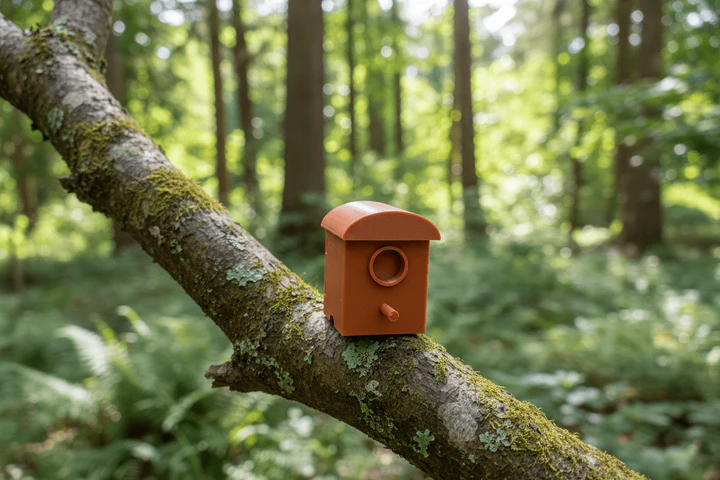
CacheWerk's standard hiding places include UV-resistant plastic containers, film canisters, and specialized containers for a wide variety of environments. Each product has been tested for durability and weather resistance.
Magnetic PET containers are particularly practical, as they can be easily attached to metal structures. The integrated seal reliably protects logbooks from moisture.
For beginners, starter sets offer a perfect combination of hiding places, logbooks, and accessories. You receive all components in coordinated quality and save time searching for materials.
For hides exposed to the elements, we almost exclusively use PETG as a raw material to achieve the best results in terms of stability and durability.
Frequently Asked Questions
What materials are best suited for urban geocaches?
UV-resistant plastics like ABS or PETG are ideal for urban environments. They withstand sunlight, are waterproof, and offer excellent camouflage. Urban camouflage using appropriate colors and textures significantly increases the success rate.
How can I protect my wooden cache from the weather?
Treat wood with at least two coats of waterproof varnish or boat varnish. Renew the protective layer annually, especially in exposed areas. Use only products specifically designed for outdoor use that contain protection against fungi and insects.
What mistakes should I absolutely avoid when choosing materials?
Never use plastics without UV protection, as they will become brittle within two years. Inadequate sealing will result in waterlogged logbooks. Always adapt the material to the site conditions; wood only works with protective treatment in the forest.
How long does a well-chosen cache hiding place last on average?
With proper care, UV-protected plastic hideaways last approximately five to seven years. Treated wood lasts three to five years, and metal hideaways often over seven years. Regular maintenance and re-treatment significantly extend their lifespan.
