
Innovative Geocaching Products for Creative Hides 2026
Designing geocaching hides that are creative, weatherproof, and hard to find all at once is a real challenge for many geocachers. However, innovative products and DIY solutions offer you a variety of ways to take your caches to the next level. In this article, you'll learn the most important selection criteria, discover concrete product ideas from 3D-printed containers to magnetic PETlings, and find out which solution best suits your next cache project. Let yourself be inspired and discover how to make your hides even more exciting.
Table of contents
- Criteria for selecting innovative geocaching products
- Innovative products for creative cache hides
- DIY solutions and self-built innovative geocaches
- Comparison and recommendation: Which geocaching product is right for you?
- Discover suitable geocaching equipment and accessories at CacheWerk
- Frequently asked questions
Key insights
| Point | Details |
|---|---|
| Innovative products | Facilitate creative and weatherproof cache hides with durable materials |
| DIY instructions | Offer cost-effective and individual solutions for personalized caches |
| 3D-printed containers | Enable natural camouflage through custom shapes |
| Magnetic products | Expand hiding possibilities on vertical and urban surfaces |
| Product comparison | Helps in selecting individually suitable solutions depending on the application area |
Criteria for selecting innovative geocaching products
Before you decide on a particular hide, you should consider some basic criteria. The choice of the right product depends heavily on your planned hiding spot, the desired difficulty level, and your budget. Weather resistance and durability are the most important factors for outdoor use, because your cache should withstand rain, snow, and temperature fluctuations for years.
Camouflage elements should appear natural and inconspicuous, so that Muggles do not accidentally discover your hide. The size and handling of the hide significantly influence user-friendliness. A cache that is too small can be frustrating, while one that is too large quickly stands out. Materials such as PLA+, wood, or metal offer different advantages in terms of durability, camouflage, and cost.
Important selection criteria at a glance:
- Weather resistance of the material
- Natural or urban camouflage quality
- Size suitable for the hiding spot
- Easy maintenance and logbook access
- Budget and DIY possibilities
DIY possibilities allow you individual adjustments and cost efficiency, especially if you want to place several caches at once. Self-built solutions also offer the advantage that you can perfectly match materials and design to your surroundings. At CacheWerk, for example, you can find exciting trick geocaches that combine innovative mechanisms with high-quality workmanship.
Pro-tip: Test your hide for at least two weeks under real conditions before placing it. This way, you can identify weaknesses in waterproofing or camouflage early on.
Innovative products for creative cache hides
The market for geocaching products has developed enormously in recent years. Particularly 3D-printed solutions now offer a quality and variety that was unimaginable just a few years ago. An outstanding example is the 3D-printed geocaching cube with a secret compartment, which is made of robust PLA and impresses with its inconspicuous design.
Natural-looking geocache containers like Pinecone or Rock Container camouflage the cache particularly well in forest environments. These 3D-printed camouflage containers deceptively mimic natural objects and are completely weatherproof. The Sign Post Bolt is ideal for urban hides and offers realistic camouflage on signposts or metal structures.
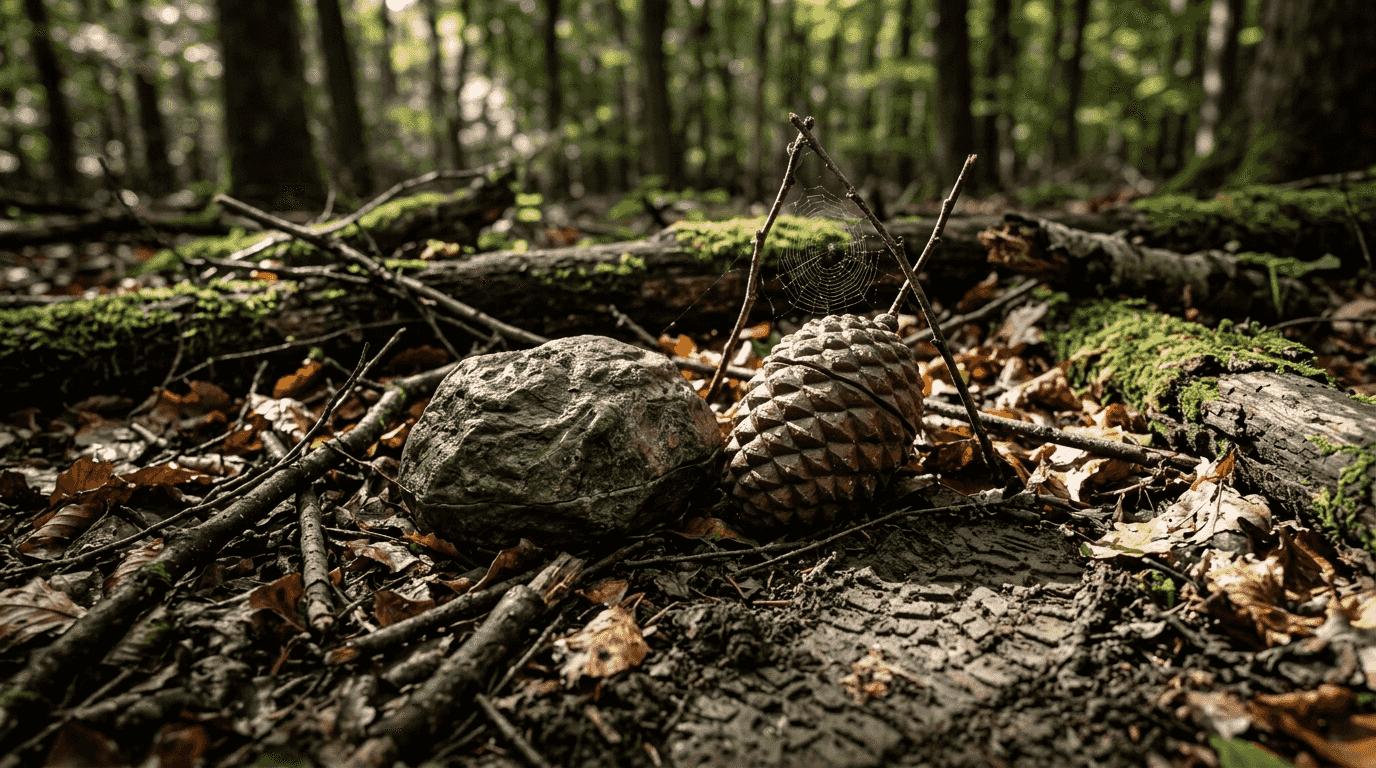
All high-quality products offer weatherproof materials and long durability, making them a worthwhile investment. The following table shows a direct comparison of the most popular innovative products:
| Product | Size | Camouflage Quality | Material | Application Area |
|---|---|---|---|---|
| 3D Cube with Secret Compartment | Small to Medium | Inconspicuous | PLA+ | Urban and Nature |
| Rock Container | Medium | Very High | PETG | Forest and Meadows |
| Pinecone Container | Small | Very High | PLA | Coniferous Forests |
| Sign Post Bolt | Micro to Small | High | PETG/Metal | Urban Environment |
Products that combine several functions are particularly practical. Some models have integrated magnets, waterproof seals, or interchangeable logbooks. When choosing, you should also consider the availability of spare parts, in case a component needs to be replaced after years.
Pro-tip: Combine different camouflage elements. A 3D-printed stone looks even more authentic if you glue real moss or lichen to it. Make sure to use environmentally friendly adhesives.
The selection of innovative products is constantly growing, and many manufacturers now also offer customized solutions. For particularly demanding projects, it is worth taking a look at specialized providers who develop trick geocaches with refined opening mechanisms.
DIY solutions and self-built innovative geocaches
Self-built caches have a special charm and allow you maximum creative freedom. A classic example is the mini pseudo birdhouse, which stands out as an inconspicuous hide with durable wooden construction. This solution combines natural optics with practical functionality and is surprisingly easy to implement.
Another popular DIY project is the magnetic PETling, which offers versatile attachment options to metal structures. With neodymium magnets and strong adhesive, a robust hide is created that holds securely even on vertical surfaces. The Rolllog-Cache with tube and camouflage tape is a compact outdoor solution, particularly suitable for narrow crevices and cavities.
Step-by-step construction guide for a magnetic PETling:
- Get a PET preform or film canister with a lid
- Clean and dry all parts thoroughly
- Glue two to three neodymium magnets to the bottom with superglue
- Wrap the container with olive green duct tape
- Test the adhesion on various metal surfaces
- Seal all openings with silicone for waterproofing
Material recommendations for quick implementation include weatherproof wood like larch or Douglas fir for birdhouses, strong neodymium magnets with at least 10 kg adhesive force, and high-quality duct tape in camouflage colors. Investing in good materials pays off in the long run, as inferior components often lead to premature wear.
Tips for care and durability:
- Check self-built caches every three to six months
- Replace seals and camouflage tape as needed
- Treat wooden parts annually with environmentally friendly wood preservative
- Replace rusty magnets immediately to avoid logbook damage
Pro-tip: Document your construction process with photos and notes. This way, you can easily reproduce successful designs later and avoid mistakes. Share your best ideas with the community to inspire others.
DIY projects not only offer cost advantages but also the opportunity to create unique caches that cannot be bought anywhere else. Let yourself be inspired by examples like the trick geocaches and develop your own innovative mechanisms.
Comparison and recommendation: Which geocaching product is right for you?
The decision between purchased products and DIY solutions depends on several factors. 3D-printed and DIY geocaches differ significantly in terms of flexibility, cost, and camouflage quality. 3D products are durable and offer professional camouflage, while DIY solutions score with individuality and lower costs.
The following comparison table will help you get an overview:
| Criterion | 3D Products | DIY Solutions | Ready-made Special Hides |
|---|---|---|---|
| Camouflage Quality | Very high | Medium to high | Very high |
| Weather Resistance | Excellent | Good to very good | Excellent |
| Cost | Medium | Low | High |
| Time Required | No work | 2-6 hours | No work |
| Individuality | Limited | Very high | Limited |
| Durability | 5-10 years | 2-5 years | 10+ years |
Recommendations depending on cache type:
- Urban Caches: Sign Post Bolt or magnetic PETlings for quick placement
- Nature Caches: Rock or Pinecone Container for perfect camouflage
- Long-term Projects: High-quality 3D products or self-built wooden hides
- Quick Solutions: Ready-made special hides for immediate use
For beginners, ready-made products are recommended first to develop a feel for successful hides. With increasing experience, you can then tackle your own DIY projects and benefit from the insights of your first caches. Advanced geocachers often combine both approaches and use purchased components as a basis for individual enhancements.
Pro-tip: Invest in at least one high-quality special hide for your most important cache. The higher quality reduces maintenance effort and significantly increases the satisfaction of the finders. For experimental caches, you can then resort to cheaper DIY solutions.
The best strategy is often a combination of different approaches. Use professional products for high-traffic caches and DIY solutions for creative experiments. Further inspiration can be found in the trick geocache overview, which shows how innovative mechanisms enrich the gaming experience.
Discover suitable geocaching equipment and accessories at CacheWerk
Now that you know the various options for innovative cache hides, you may be wondering where to find high-quality products and suitable accessories. CacheWerk offers you a wide range of innovative geocaching equipment and accessories, specifically tailored to the needs of demanding geocachers.
Particularly interesting are the geocaching special hides, which impress with their well-thought-out design and durable materials. From 3D-printed PETG items to sophisticated trick caches, you will find solutions for every application. Exclusive news on new products and trends keep you up to date, so you always know about the latest developments. The platform combines practical shopping experiences with expert advice and fast deliveries, so your next cache project can start without delay.
Frequently asked questions
Which materials are best suited for innovative geocache hides?
Weather-resistant plastics like PLA+ and PETG are excellent for 3D-printed hides, as they tolerate UV radiation and temperature fluctuations well. Weatherproof woods like larch or Douglas fir are ideal for natural DIY projects, while stainless steel and aluminum excel in urban hides. Durability, good camouflage, and environmental compatibility of the chosen materials are always important.
How can I build a magnetic cache container myself?
Use neodymium magnets with at least 10 kg of adhesive force and strong superglue for lasting durability. Glue two to three magnets to the bottom of a PET preform or film canister and wrap the container with olive green duct tape for weather resistance. Detailed building instructions for magnetic PETlings can be found online with step-by-step photos.
What advantages do 3D-printed geocache hides offer compared to classic containers?
3D printing allows for individual shapes and perfect camouflage through tailor-made designs that deceptively mimic natural objects. The materials used are often more weather-resistant and robust than conventional plastic containers. In addition, the technology enables complex mechanisms and secret compartments that are not feasible with classic containers. An example is the 3D-printed cube with a secret compartment, which stands out for its clever design.
How often should I check my cache hides for damage?
You should check self-built caches every three to six months, while high-quality 3D products often only need to be maintained once or twice a year. Pay particular attention to moisture inside, damaged seals, and the stability of the camouflage. After extreme weather events such as storms or severe frost, an additional check is recommended to detect damage early.
Are 3D-printed cache containers environmentally friendly?
Modern 3D printing materials like PLA are based on renewable raw materials such as corn starch and are biodegradable, though only under industrial composting conditions. PETG is recyclable and very durable, which reduces environmental impact from frequent replacement. When buying, look for manufacturers who use sustainable production methods and avoid unnecessary transportation by regional suppliers.