
Why Individual Cache Design Enriches Geocaching
Individual cache design is the creative, personal customization of geocache hiding spots that goes far beyond the standard film canister. Those who build their caches with storytelling, thoughtful design, and suitable materials create an experience rather than just a hiding place. Over 35% of active geocachers already use 3D-printed components for weather-resistant or mechanical elements. This shows that the community has long understood that a good cache is more than just a container with a logbook. And quality is defined by creativity and storytelling, not by size or difficulty.
What advantages does individual cache design offer?
An individually designed cache motivates finders on a different level. Those who find a hiding place that tells a story or is impressively crafted not only log it but remember it months later. This is the crucial difference from a generic magnetic hide under a lamppost.
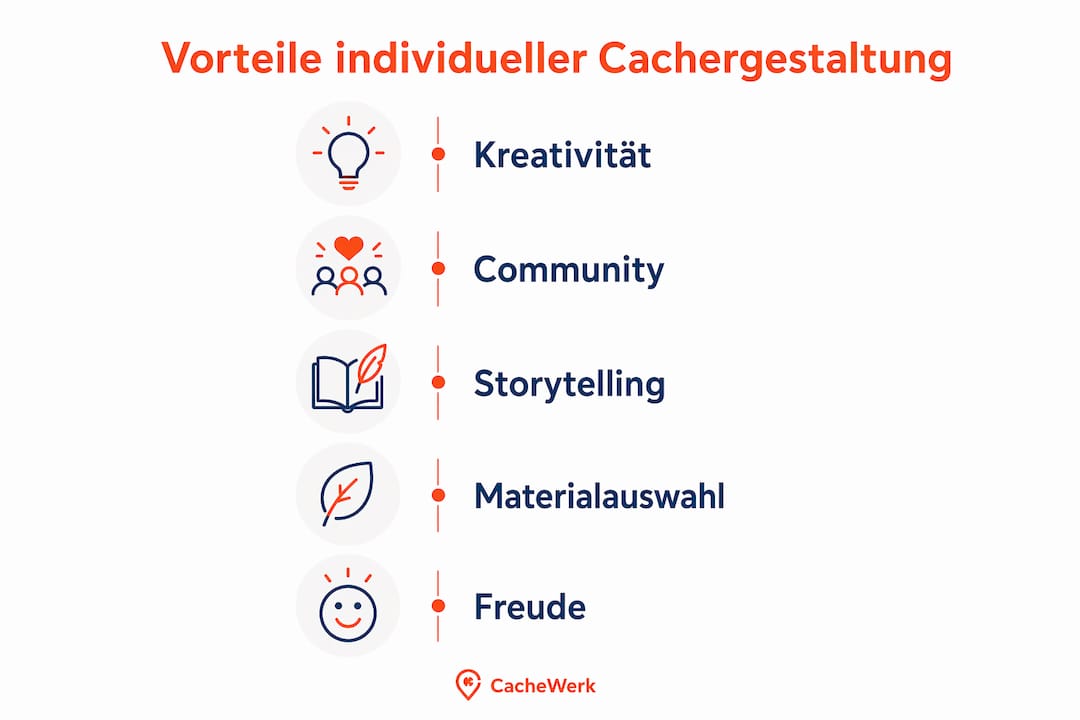
The specific advantages are quite varied:
- Higher motivation when searching: Original hiding places create genuine excitement. Finders don't know what to expect, and that's part of the appeal.
- Personal connection: A thematically designed cache bears the owner's signature. This creates identification on both sides.
- Better community feedback: Caches with character receive more favorite points and more detailed logs. This is direct feedback that the effort is appreciated.
- Low costs: Material costs are usually 5–15 Euros, and the time commitment is a few hours to a few days, including drying times.
- Long-term value retention: Planning for maintainability from the start saves on later repairs and significantly extends the cache's lifespan.
The financial outlay is therefore small. The gain in joy and community recognition, however, is all the greater.
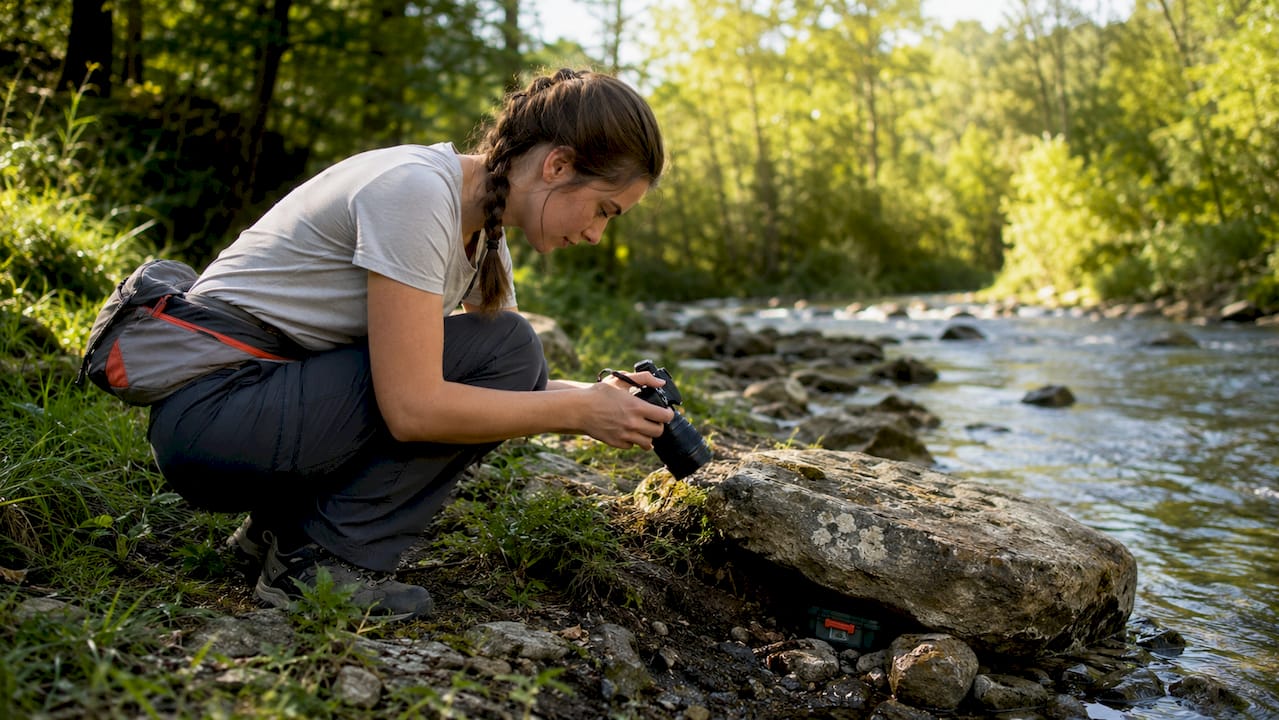
Pro Tip: Photograph your cache from different angles before hiding it. This will help you with maintenance later and provide material for an appealing cache page.
How does storytelling influence the quality of a cache hide?
Caches with storytelling or local relevance receive significantly more positive feedback than standard hides. This is no coincidence. People react more strongly to stories than to mere tasks.
"Storytelling turns caches into personal business cards of the owners and increases the lasting appreciation by finders." — Community feedback 2026
The psychological effect is real. A cache that commemorates a historical event, picks up on a local myth, or tells a small puzzle story stays in memory. Finders recommend it, share photos, and write longer logs. All this happens because an emotional connection has been made.
Creative designs that create this effect include, for example:
- Thematic setups: A cache in the style of an old treasure chest, matching a historical location nearby.
- Mechanical elements: Hides with rotating discs, sliders, or small puzzles that need to be solved before opening.
- Interactive elements: Caches where finders leave or change something, for example, by trading items related to the theme.
- Narrative descriptions: A cache page that tells a story and transports the finder to another time or world.
The difference to a mere container with a difficulty rating of D3/T2 is not in the technology. It's in the experience. A well-designed cache is the owner's business card. It shows who you are as a geocacher and what is important to you in this sport.
And that's more than just a logbook in a can.
What design ideas and materials are suitable for individual caches?
Good ideas often come from everyday life. With small crafts, for example, from old nails, creative and memorable hiding places can be created without much technical effort. So, a look in the toolbox or basement is worthwhile.
For practical implementation, there is a proven procedure:
- Define idea and theme: First, consider what story your cache should tell. Is there a connection to the hiding place, to nature, or to a personal experience?
- Choose material: For outdoor hides, PETG instead of PLA for 3D printing, because PETG is UV-resistant and weatherproof. PLA becomes brittle and deforms with heat.
- Plan for maintainability: Logbook inserts and battery compartments must be accessible without damaging the cache. Consider tolerance clearances for wooden and 3D-printed parts for moisture expansion and to prevent sticking lids.
- Allow for glue and drying times: If working with epoxy resin or contact adhesive, you need 24–48 hours of drying time. Including this in the planning saves frustration.
- Write a reviewer note: For unusual containers or sizes that do not fit into standard categories, a reviewer note prevents rejections and significantly speeds up publication.
- Test before hiding: Open and close the cache ten times in a row. Check if the logbook stays dry when you hold it under running water.
Pro Tip: For 3D-printed cache components, it's worth checking out creative geocaching hides with 3D printing. There you will find specific building instructions and templates that you can adapt directly.
The choice of material determines the lifespan. Weather-resistant filaments and UV-stable plastics significantly extend the lifespan of a cache and save long-term maintenance costs. This is not a detail that can be retrofitted later.
How do geocachers successfully start with their own cache design?
Starting small is the best advice. Experienced cachers recommend starting with simple projects and expanding through variety and details. Those who immediately start with a mechanical masterpiece often fail due to complexity and lose their enjoyment.
A good starting point looks like this:
- Get inspiration from the surroundings: Look closely at the planned hiding place. What grows there? What is the history of the place? These questions provide the best ideas.
- Involve family and friends: Children often have the most creative ideas for hiding places. And those who build together have more fun with the result.
- Actively use community feedback: Read the logs of your own caches carefully. Finders often write what they particularly liked. This shows you in which direction you should develop further.
- Use online resources and templates: There are ready-made 3D printing templates for common cache types. Using these as a basis and adapting them saves time and still provides an individual result.
- Document step by step: Photograph each construction step. This helps with maintenance and provides you with material for experience reports in the community.
Variety and details are more important than technical perfection. This is one of the most important insights from the experience reports of active cache owners. A lovingly designed, simple cache beats a technically perfect but cold hide every time.
Once you've built your first individual cache, you quickly realize: The joy of hiding is just as great as the joy of finding. And that is probably the true core of geocaching.
Key takeaways
Individual cache design enhances the quality of a geocache through creativity, storytelling, and thoughtful material selection more than any technical upgrade.
| Topic | Details |
|---|---|
| Creativity trumps size | Quality caches are defined by storytelling and design, not by container size or difficulty. |
| Low entry costs | Material costs are usually 5–15 Euros, time commitment is a few hours to a few days. |
| Material choice is crucial | PETG is clearly superior to PLA for outdoor hides because it remains UV-resistant and weatherproof. |
| Maintainability from the start | Plan for accessible logbook inserts and battery compartments to avoid later repairs. |
| Start small, then expand | Begin with simple projects and gradually improve through community feedback and details. |
What I've really learned after years as a cache owner
It took me a while to understand that technical perfection in cache building isn't the goal at all. My first elaborately designed cache had a mechanism that stopped working after three months in the rain. The simplest cache I ever built, an old nail with a tiny logbook, still has the most favorite points to this day.
What really moves finders is the question: Did someone put thought into this? A cache that shows the owner thought about the location, about the story, about the finder's experience, that's what stays in memory. And that's exactly the core of individual cache design.
My honest advice: Start with what you already know. If you like crafting, build something out of wood. If you have a 3D printer, experiment with PETG filaments. If you have neither, take an old everyday object and turn it into a hiding place. The best caches I've ever found weren't high-tech constructions. They were thoughtful.
And one more thing: Plan for maintenance from the very beginning. A cache that can no longer be maintained after a year because the lid is glued shut or the logbook won't come out brings no joy to finders. That's not a detail. That's respect for the community.
— Benedikt
Your next cache starts here at Cachewerk
You have the idea, now you just need the right material. Cachewerk has exactly what you need for your first individual cache.
The Geocaching Starter Bundle 1 contains a PETling, a logbook, and a holder. Everything is coordinated, weatherproof, and ready to use. Those who need more flexibility in hanging will find a practical alternative with a hanger instead of a holder in the Geocaching Starter Bundle 2. Both bundles are put together so that you can get started right away without having to search for individual parts for hours. Shipping is fast, quality is right.
FAQ
What exactly is individual cache design?
Individual cache design refers to the creative, personal shaping of cache hides with storytelling, special materials, or thematic designs. It goes far beyond the standard container and makes each cache a unique experience.
How much does it cost to build an individual cache?
Material costs are usually 5–15 Euros, and the time commitment is a few hours to a few days, including drying times. This makes individual cache design affordable even for beginners.
Which material is best suited for outdoor hides?
For 3D-printed outdoor hides, PETG is the better choice over PLA because PETG is UV-resistant and weatherproof. PLA deforms with heat and becomes brittle over time.
Why are reviewer notes important for unusual caches?
For containers that do not fit into standard categories, a reviewer note prevents rejections and speeds up publication. It explains to the reviewer what makes the cache special and why it fits into the chosen category.
How do I best start with my first individual cache design?
Starting small is the best approach. Choose a simple theme, select a suitable material, and plan for maintainability from the start. Community feedback from the first logs will then show you how to design your next cache even better.